Vintage Items Worth Keeping at Home: A 2026 Guide
Discover the top vintage items worth keeping at home in 2026. Learn how to identify valuable antiques, spot hidden gems, and use AI tools for appraisal.
On this page

If you are clearing out an attic, evaluating an estate, or browsing a local thrift shop, knowing which vintage items worth keeping can turn a mundane chore into a highly rewarding treasure hunt. The short answer is that vintage items worth keeping typically include mid-century modern furniture, marked porcelain, mechanical timepieces, and solid silver jewelry, provided they demonstrate authentic craftsmanship, historical significance, and structural integrity.
In 2026, the antiques and collectibles market has shifted. Collectors and resellers are no longer just looking for age; they are prioritizing quality, sustainability, and design heritage. Understanding what separates a valuable heirloom from ordinary clutter requires a keen eye and, increasingly, the right technological tools.
Why Certain Vintage Items Are Worth Keeping in 2026
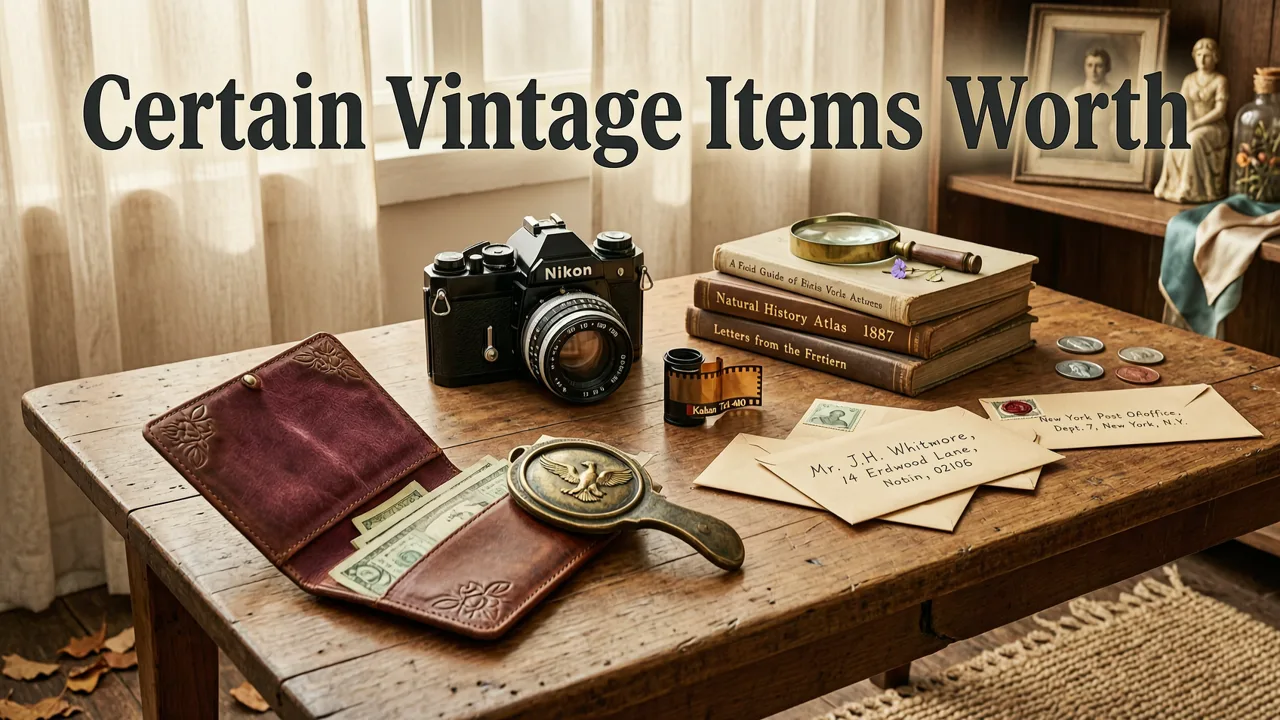
The decision to hold onto or acquire vintage pieces goes beyond simple monetary value. Today’s collectors are driven by a desire for unique home aesthetics, sustainable living, and a connection to historical craftsmanship. Mass-produced modern goods often lack the durability and character of items made decades ago. When you identify vintage items worth keeping, you are often securing pieces built with solid hardwoods, hand-blown glass, and mechanical precision that simply does not exist in contemporary manufacturing.
Furthermore, the integration of artificial intelligence into the collectibles market has made it easier than ever to verify authenticity. According to Google AI guidance on responsible technology use, modern machine learning models are trained on vast, verified historical datasets, allowing them to recognize subtle design patterns and maker marks that the human eye might miss.
Top Categories of Vintage Items Worth Keeping
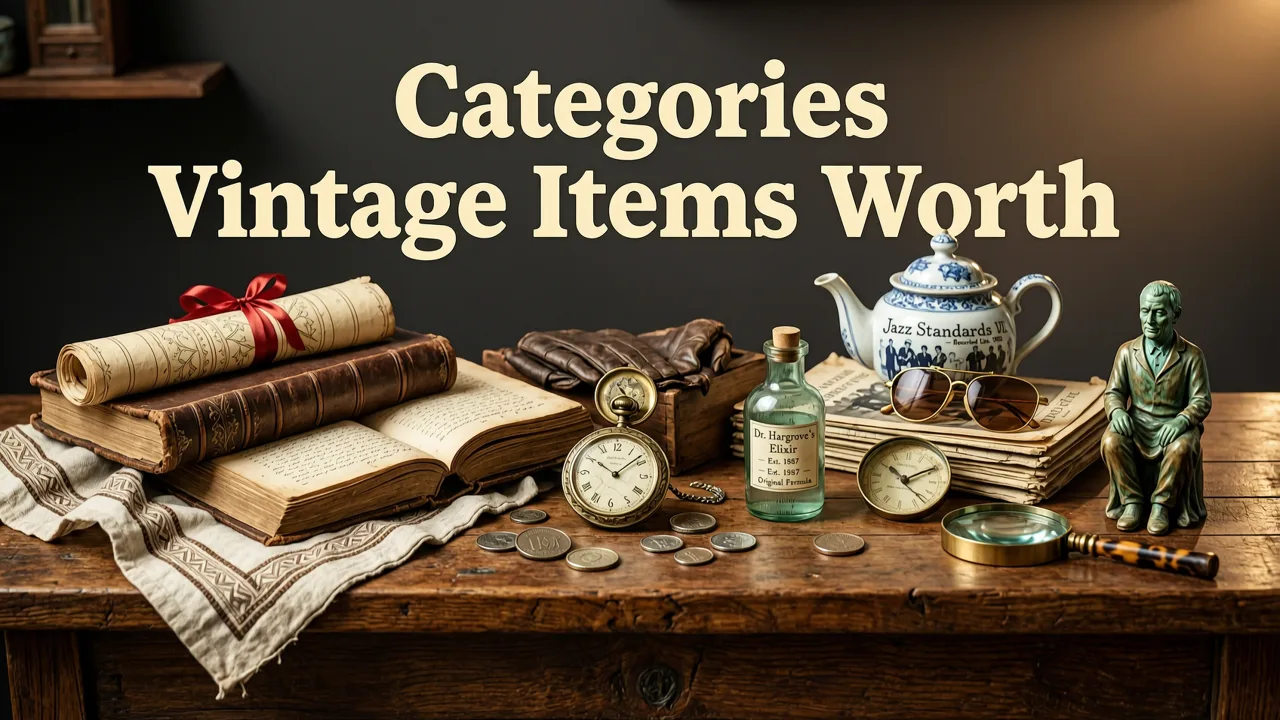
While personal sentiment plays a role in what we keep, certain categories consistently hold their value or appreciate over time. If you are evaluating estate sale finds or organizing your own collection, focus on these high-demand categories.
Mid-Century Modern Furniture
Mid-century modern pieces remain a cornerstone of the vintage furniture market. Characterized by clean lines, organic curves, and a love for different materials like molded plastic, plywood, and aluminum, these pieces were designed by influential makers in the 1940s through the 1960s. When evaluating vintage furniture, look for dovetail joints, original hardware, and manufacturer labels. If you need help verifying a piece's origins, the best app to identify antique furniture in 2026 can analyze physical attributes like leg tapers and wood grain to confirm its pedigree.
Vintage Porcelain and Ceramics
Porcelain and ceramic wares are highly sought after, but the market is flooded with reproductions. The key to identifying vintage items worth keeping in this category is the maker's mark. Whether it is a delicate teacup from the Meissen factory or a vibrant vase from a mid-century American studio, the stamp on the base tells the story. Utilizing a comprehensive antique porcelain maker marks database allows collectors to cross-reference symbols, colors, and fonts to pinpoint the exact era and origin of the piece.
Antique Clocks and Timepieces
From mantel clocks to intricate pocket watches, mechanical timepieces are a favorite among serious collectors. The value of these items lies in their movement, the quality of the casing, and the condition of the dial. Brass movements, porcelain dials, and original pendulums are strong indicators of a piece worth preserving. Because horology is a highly specialized field, leveraging an AI-powered identifier designed specifically for clocks can help distinguish between a valuable antique and a later reproduction.
Vintage Jewelry and Silverware
Estate jewelry and silver flatware are classic vintage items worth keeping. Look for hallmarks indicating sterling silver (such as 925 or Lion Passant) and signatures from renowned jewelry designers. Even costume jewelry from iconic mid-century fashion houses can command high prices if the rhinestones are original and the settings are unsigned but recognizable by their specific design motifs.
How to Identify Hidden Value in Everyday Objects
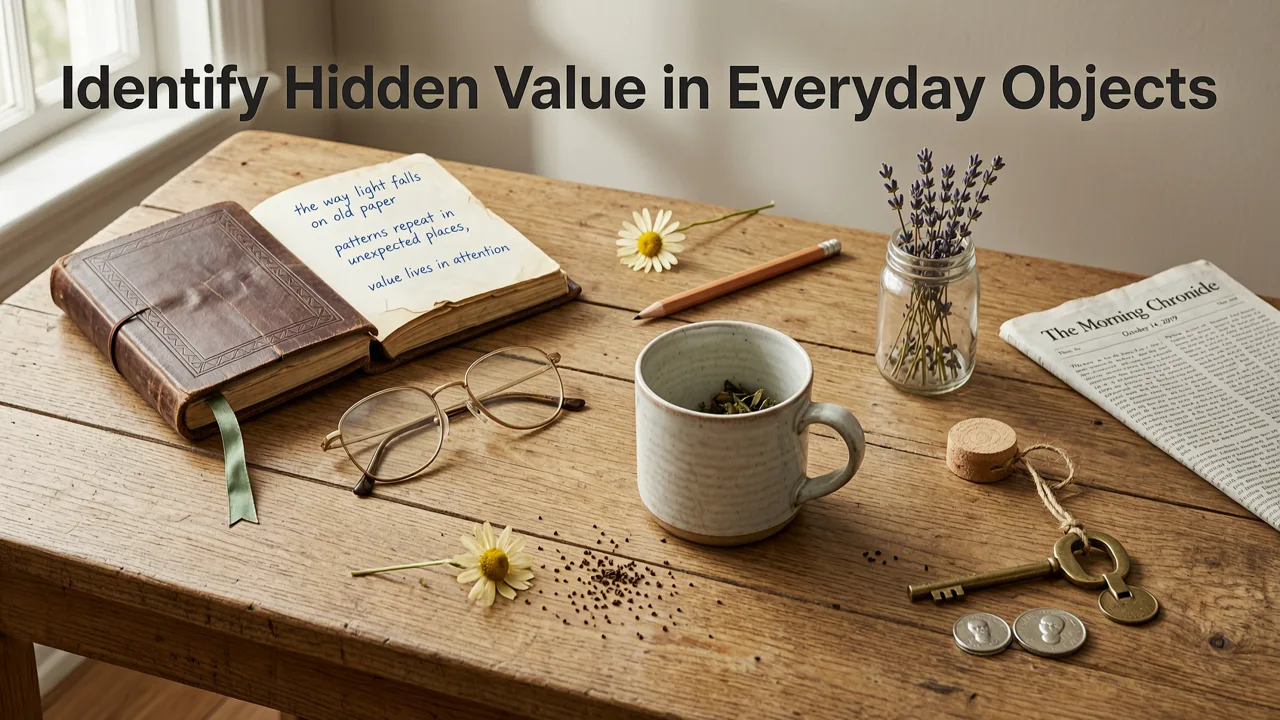
Identifying hidden value requires a systematic approach. Start by examining the materials. Solid wood, genuine leather, heavy glass, and pure metals are primary indicators of quality. Next, look for signs of age that cannot be easily faked, such as a natural patina on brass, crazing on ceramic glazes, or uneven wear on wooden runners.
The role of AI in modern antique identification cannot be overstated. As detailed in OpenAI documentation, multimodal AI models process image data by analyzing textures, shapes, and historical context simultaneously. When you photograph a suspected antique, the AI compares its visual data against millions of verified archival images, highlighting potential matches and pointing out specific features to inspect further.
Vintage Items Worth Keeping vs. Common Clutter
Not everything old is valuable. A major challenge for collectors and estate liquidators is separating true vintage items worth keeping from mass-produced clutter. The table below outlines the primary differences to help you make quick, informed decisions.
| Item Category | Signs of High Value (Keep) | Red Flags (Clutter / Discard) |
|---|---|---|
| Wood Furniture | Solid wood, dovetail joints, original finish, maker's label | Particleboard, veneer peeling, Phillips head screws in antique joints |
| Porcelain & Pottery | Clear maker's mark, translucency, hand-painted details, crazing | Stamped "Made in" without a specific factory mark, uniform modern glazes |
| Clocks & Watches | Mechanical movement, signed dial, original hands, brass casing | Battery-operated quartz movements, plastic internals, faded non-original dials |
| Silver & Jewelry | Clear hallmarks (925, sterling), heavy weight, intricate hand-engraving | Silver-plated base metal showing through, lightweight, machine-stamped generic patterns |
Best Practices for Preserving Your Vintage Collection
Once you have identified and acquired vintage items worth keeping, proper preservation is essential to maintain their condition and value. Improper care can significantly diminish a piece's worth.
- Control the Environment: Keep vintage items away from direct sunlight, which can fade fabrics and woods. Maintain a stable humidity level to prevent wood from warping and metals from corroding.
- Avoid Over-Cleaning: A natural patina on antique brass or wood is highly desirable. Stripping away original finishes or aggressively polishing silver removes historical character and reduces value.
- Use Archival Materials: When storing vintage textiles, jewelry, or paper collectibles, use acid-free tissue paper and archival boxes to prevent chemical degradation.
- Document Everything: Keep a detailed inventory of your collection, including photographs, measurements, and any identification data you have gathered.
Navigating the Modern Collectibles Market
The landscape of antique collecting in 2026 is more accessible but also more competitive. Online marketplaces and social media have democratized access to information, meaning that hidden gems are spotted faster than ever before. To stay ahead, collectors must combine traditional knowledge—such as understanding historical design periods and manufacturing techniques—with modern technological aids.
Whether you are a seasoned reseller looking to stock your shop or a homeowner trying to make sense of an inherited estate, the ability to quickly and accurately identify pieces is your greatest asset. Relying on guesswork or outdated reference books can lead to missed opportunities or costly mistakes. Embracing digital tools ensures that your evaluations are grounded in comprehensive, up-to-date data.
Conclusion
Identifying the vintage items worth keeping at home requires a blend of historical knowledge, material awareness, and modern verification techniques. By focusing on quality craftsmanship, authentic maker marks, and structural integrity, you can build a collection that is both personally meaningful and financially sound. Do not leave the value of your finds to chance.
Ready to accurately identify your next great find? Equip yourself with the best antique identification app for collectors in 2026 and turn your everyday discoveries into verified treasures.
Frequently Asked Questions
What are the most valuable vintage items to keep at home?
The most valuable vintage items typically include mid-century modern solid wood furniture, marked porcelain and ceramics, mechanical antique clocks, and hallmarked sterling silver or signed vintage jewelry. Value is determined by authenticity, condition, rarity, and historical significance.
How can I tell if an old piece of furniture is actually valuable?
To determine if old furniture is valuable, inspect the construction for signs of quality such as dovetail joints, solid wood rather than particleboard, and original hardware. Look for manufacturer labels or maker's marks, and check for a natural patina rather than artificially applied distressing.
Is it better to clean antique items before selling or keeping them?
Generally, it is better to avoid aggressive cleaning. A natural patina on wood, brass, or silver is highly prized by collectors and adds to the item's value. Over-cleaning or stripping original finishes can significantly reduce the historical and monetary worth of the piece.
How do AI tools help in identifying antiques in 2026?
AI tools use computer vision and machine learning to analyze images of antiques, comparing physical attributes, textures, and maker marks against vast historical databases. This allows collectors to quickly verify authenticity, identify obscure manufacturers, and estimate the era of a piece with high accuracy.
Related Articles


Have a piece of your own to check? Photograph it with the Antique Identifier app. It's free to download for iPhone and iPad.