The Best App to Identify Antique Furniture in 2026
Looking for the best app to identify antique furniture? Discover how AI-powered tools in 2026 deliver instant recognition, history, and accurate valuations.

The Best App to Identify Antique Furniture: The Short Answer
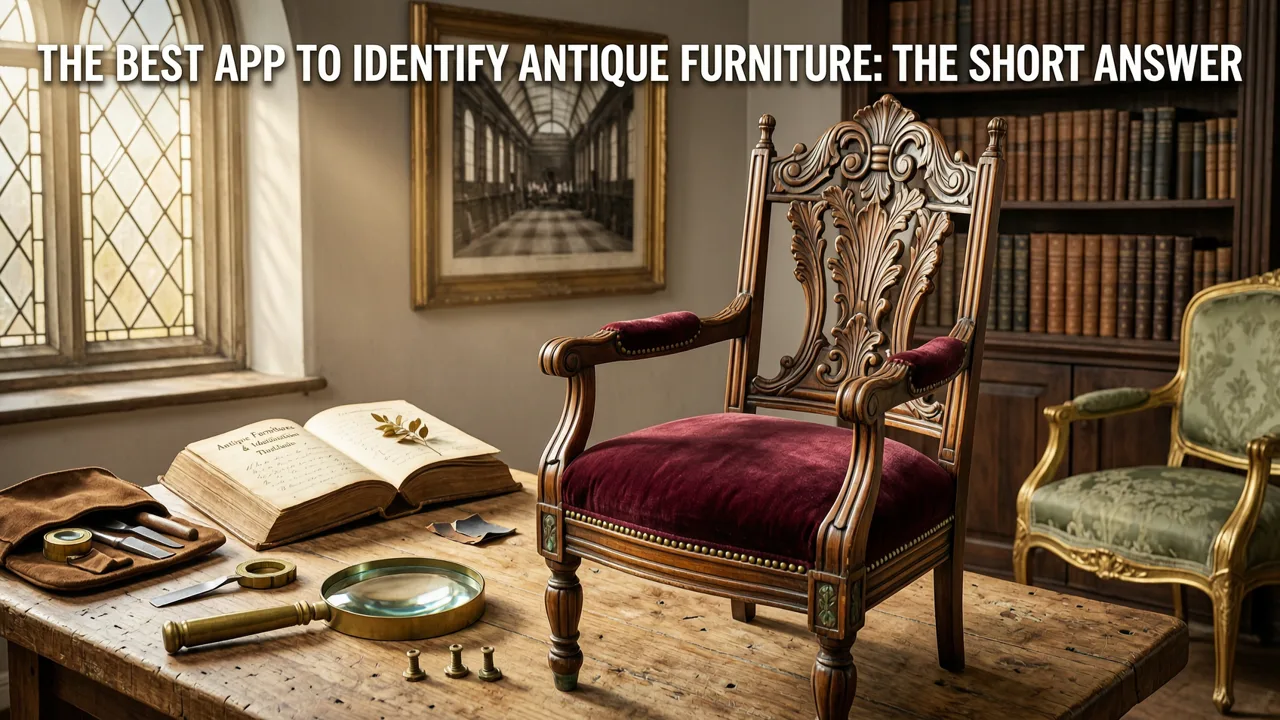
If you have ever stood in an estate sale, staring at a heavy, ornate wooden cabinet or a sleek, tapered-leg sideboard, and wondered about its origins, you are not alone. Identifying antique furniture has traditionally required expensive appraisals, hours of library research, or a keen eye honed over decades. The short answer to finding the best app to identify antique furniture in 2026 is to use an AI-powered identification tool. These advanced platforms leverage computer vision and machine learning to analyze joinery, wood grain, hardware, and design proportions, delivering instant historical context, maker attribution, and realistic valuation estimates directly from your smartphone.
Why You Need an AI-Powered Furniture Identifier in 2026
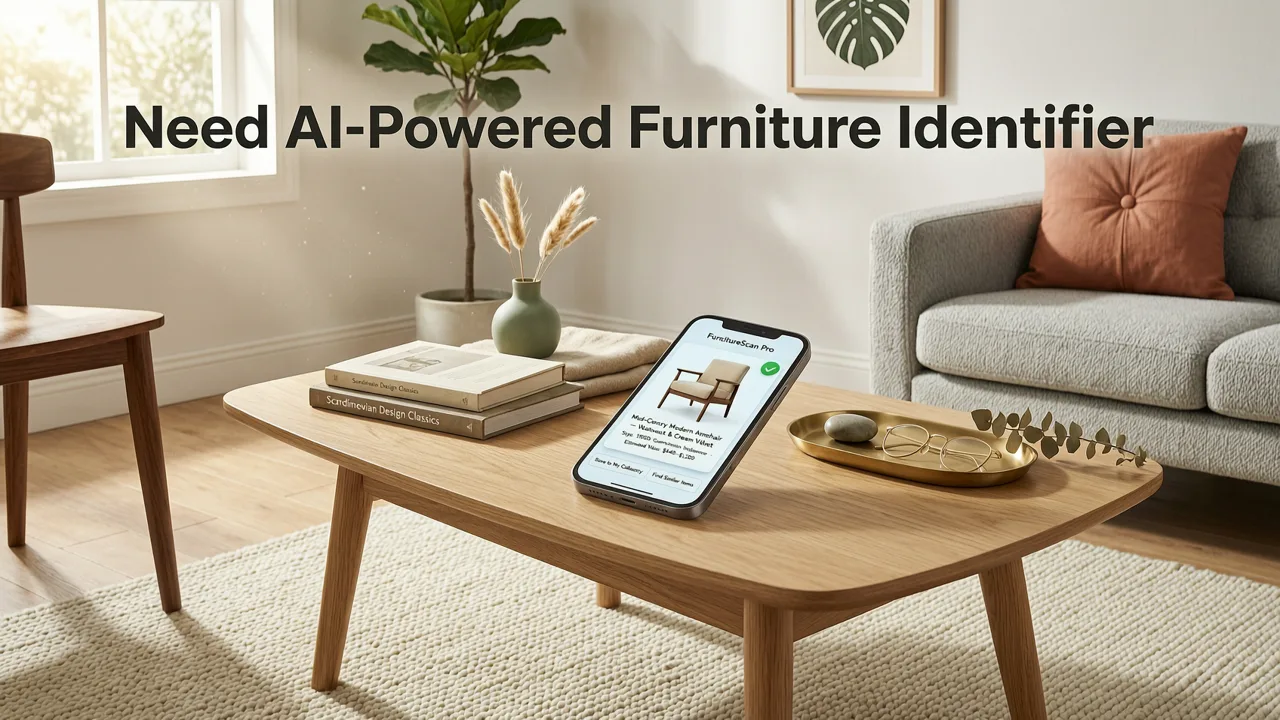
The secondary market for antiques and vintage collectibles has evolved dramatically. Today, collectors, resellers, and thrift shoppers need immediate insights to make informed purchasing decisions. Relying solely on physical reference books or waiting weeks for a professional appraisal is no longer practical in a fast-moving market.
An AI-driven identification app bridges the gap between discovery and knowledge. By simply snapping a photo, users can bypass the guesswork and access a comprehensive digital archive of historical furniture styles. This technology democratizes antique knowledge, allowing anyone to confidently navigate flea markets, auction houses, and estate sales.
How AI-Powered Furniture Identification Works
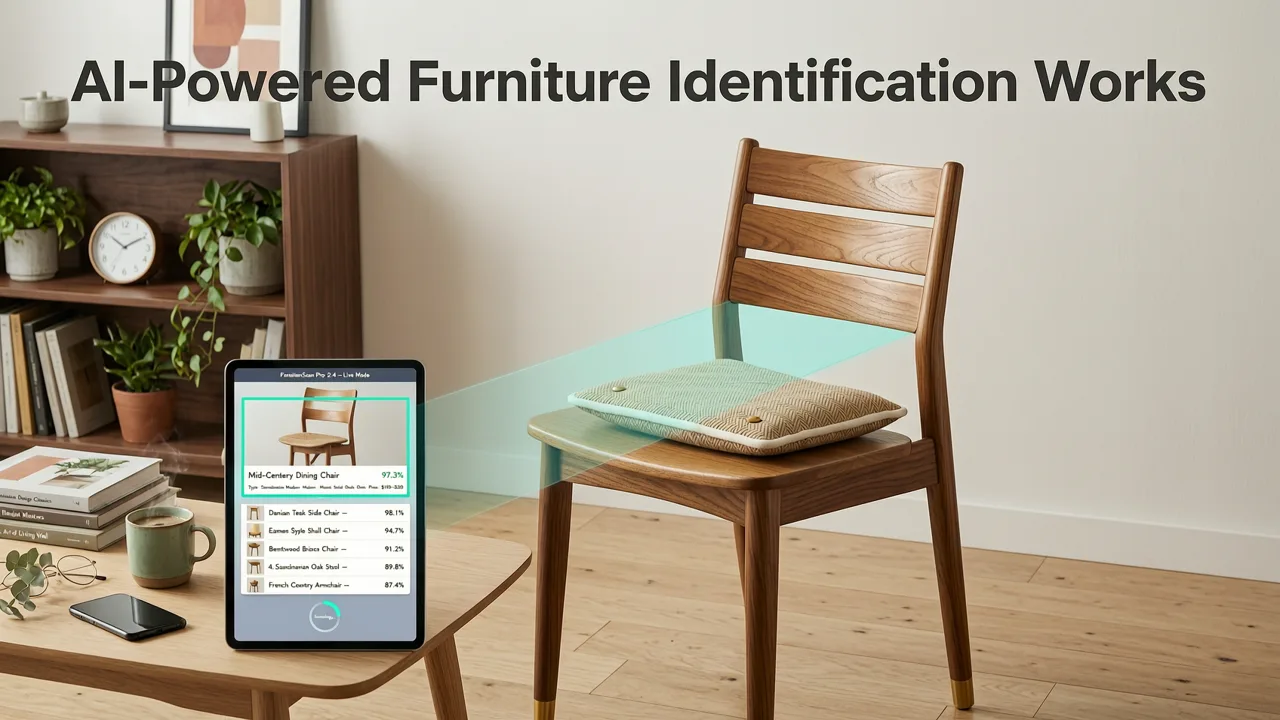
Modern identification apps do not just perform a simple reverse image search. They utilize complex neural networks trained on millions of historical artifacts. According to foundational documentation on multimodal AI models, these systems analyze visual data by breaking it down into distinct structural components, recognizing patterns that the human eye might miss.
Analyzing Physical Attributes
When you upload an image of a chair or a desk, the AI evaluates several critical physical attributes simultaneously. It examines the type of wood, the cut of the nails or screws, the style of the joinery (such as dovetail or mortise-and-tenon), and the design of the hardware. The patina and wear patterns are also analyzed to distinguish between authentic age and artificial distressing.
Cross-Referencing Historical Databases
Once the physical attributes are mapped, the software cross-references them against extensive databases of historical furniture styles, maker's marks, and regional craftsmanship techniques. This process allows the app to pinpoint the era of production, the likely geographic origin, and potentially the specific cabinetmaker or manufacturer.
Key Features to Look for in a Furniture Identifier App
Not all scanning tools are created equal. When evaluating the best app to identify antique furniture, it is essential to look beyond basic image matching. The following table outlines the critical features that separate legacy scanning tools from premium 2026 AI applications.
| Feature Category | Basic Image Scanner | Premium AI App (2026 Standard) |
|---|---|---|
| Visual Analysis | Reverse image search only | Structural analysis of joinery, wood, and hardware |
| Maker's Marks | Manual lookup required | Macro-lens detection and automatic database matching |
| Historical Context | None | Detailed era, origin, and design movement history |
| Valuation Estimates | Inaccurate or outdated | Real-time market data and realistic auction ranges |
| Report Generation | None | Exportable PDF reports for insurance or resale |
Step-by-Step: How to Identify Antique Furniture Using an App
To get the most accurate results from an AI identifier, the quality of your input matters. Follow these steps to ensure the algorithm has the best possible data to analyze.
- Prepare the Lighting: Natural, indirect light is ideal. Avoid harsh flashes that can wash out wood grain details or create misleading shadows on carved elements.
- Capture Multiple Angles: Take clear photos of the entire piece, but also focus on specific details. Capture the back, the underside, the drawers (pulled out), and any joints or hardware.
- Photograph Maker's Marks: If you spot stamps, labels, or paper tags, use your camera's macro mode to get a close-up, focused shot. This is often the key to definitive identification.
- Upload and Analyze: Input the images into the app. If the app allows multi-image uploads, use this feature to provide a holistic view of the piece.
- Review the AI Report: Read through the generated identification report carefully. Note the suggested era, style, and any condition factors the AI highlights.
Common Furniture Styles Identified by AI
A robust identification app will recognize the distinct hallmarks of major historical design movements. Understanding these styles helps you verify the AI's findings and appreciate the piece's historical significance.
Queen Anne and Chippendale
Originating in the 18th century, these styles are characterized by elegant proportions. The AI will look for the distinctive cabriole leg with a pad or ball-and-claw foot, a vasiform splat on chairs, and intricate fretwork or claw-and-ball feet on Chippendale highboys and desks.
Victorian and Eastlake
The 19th century brought heavy, ornate designs. AI models are trained to identify the incised carving, geometric spindles, and contrasting wood inlays typical of the Eastlake movement, as well as the heavy, dark woods and tufted upholstery of broader Victorian parlor suites.
Mid-Century Modern
Highly sought after in the current market, Mid-Century Modern pieces feature clean lines, organic curves, and tapered legs. The AI analyzes the specific type of veneer, the design of the pulls, and the overall silhouette to attribute pieces to iconic designers or regional manufacturers of the 1950s and 1960s.
Maximizing Your Find: From Identification to Valuation
Identifying the piece is only the first step. Once you know what you have, you must understand its market position. It is crucial to understand the vintage vs antique value difference, as age alone does not dictate price; desirability, condition, and current market trends play massive roles.
To gauge what your piece might actually fetch, you need to look at current buyer behavior. Resources detailing antiques worth money in 2026 can help you determine if your Mid-Century sideboard or Victorian parlor table aligns with current collector demand. If your goal is to part with the piece, proper pricing is essential. Utilizing a guide on sell antique online valuation will help you translate the AI's historical data into a competitive, realistic listing price that attracts serious buyers.
The Role of Ethical AI in Antique Authentication
As artificial intelligence becomes deeply integrated into the antiques trade, the responsibility of the developers behind these tools is paramount. AI models must be trained on diverse, accurately attributed datasets to prevent the misidentification of cultural artifacts or the perpetuation of historical inaccuracies. Following established frameworks for responsible AI development ensures that the identification tools you rely on provide culturally respectful, historically accurate, and unbiased information.
Conclusion
Finding the best app to identify antique furniture transforms the way you interact with the secondary market. By replacing guesswork with advanced computer vision and historical data cross-referencing, you can approach every estate sale, thrift store, and auction with confidence. Whether you are a seasoned reseller or a curious collector, AI-powered identification is an indispensable tool in 2026.
Ready to unlock the history and value of your latest find? Stop guessing and start identifying with precision. Download the Antique Identifier App for free today and experience instant recognition, detailed historical reports, and accurate valuation insights right from your phone.
Frequently Asked Questions
Can an app accurately identify antique furniture just from a photo?
Yes, modern AI-powered apps use advanced computer vision to analyze physical attributes such as joinery, wood grain, hardware design, and proportions. By cross-referencing these visual data points with extensive historical databases, the app can accurately determine the era, style, and often the specific maker of the furniture.
What is the best way to photograph furniture for an AI identifier app?
To get the best results, use natural, indirect lighting and capture multiple angles. In addition to full shots of the piece, take close-up macro photos of specific details like the underside, drawer joints, hardware, and any maker's marks, labels, or stamps. This provides the AI with the comprehensive data it needs for accurate identification.
Do AI furniture identification apps provide accurate valuations?
Premium AI apps provide realistic valuation estimates by analyzing recent market data, auction results, and current collector trends for the specific identified style and condition. However, these estimates should be used as a strong baseline; for high-value items or insurance purposes, a formal appraisal by a certified human expert is still recommended.
How do AI apps distinguish between a reproduction and a genuine antique?
AI models are trained to recognize the subtle physical signs of age and authentic craftsmanship. They analyze wear patterns, patina, the type of fasteners used (like hand-cut nails vs. modern screws), and the consistency of wood aging. While AI is highly effective at flagging potential reproductions, definitive authentication of extremely high-value pieces may still require physical inspection.
Related Articles


Explore more practical antique identification and appraisal guides.
View all articles