Antiques Worth Money in 2026: Realistic Values & What's Trending
Discover which antiques are worth money in 2026 with realistic value ranges, trending categories, and expert tips to identify high-value collectibles fast.

Antiques Worth Money in 2026: What Collectors Are Actually Paying
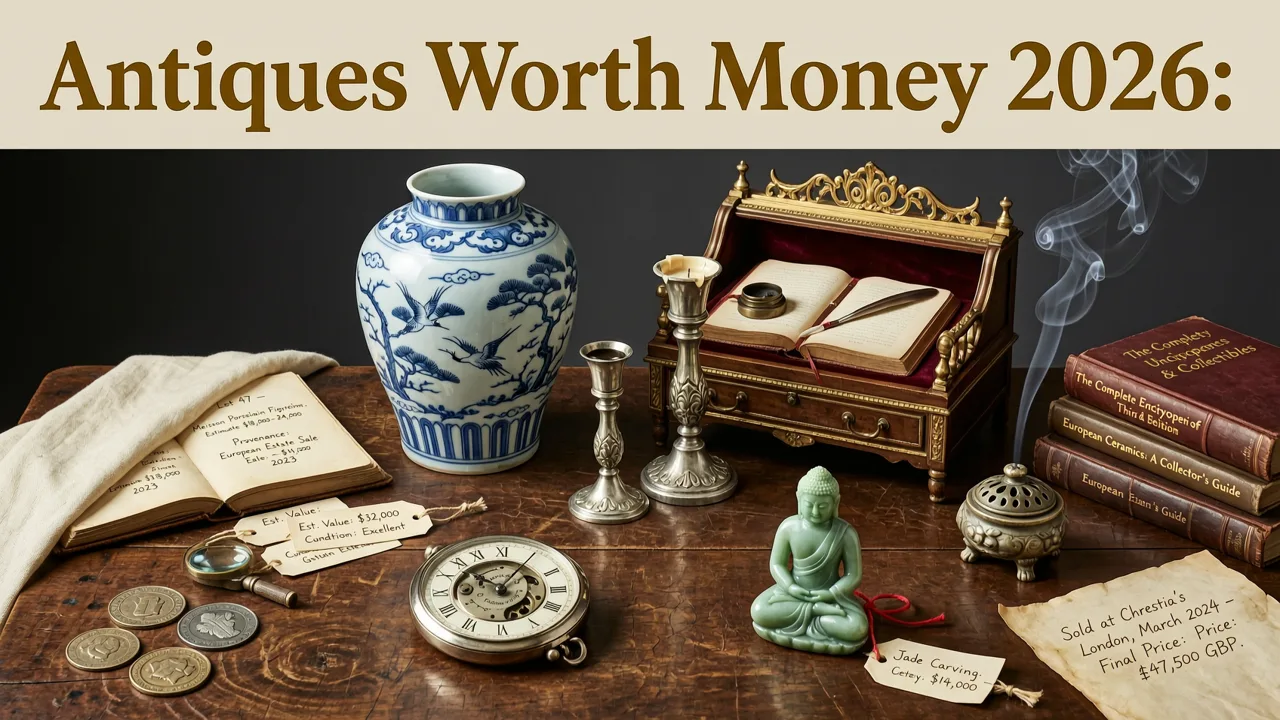
If you've stumbled across a dusty trunk in the attic or found an odd piece at a thrift store, you're probably wondering if it's worth anything. The short answer: yes, many antiques are still worth serious money in 2026 — but the market has shifted, and not everything labeled "vintage" commands a premium anymore. Buyers today are gravitating toward mid-century modern furniture, early American silver, Art Deco jewelry, and rare ceramics, while mass-produced collectibles from the 1980s and 1990s continue to lose ground.
In this guide, we break down which antiques are worth money in 2026, what realistic price ranges look like, and how to tell whether your piece is a hidden gem or a garage-sale filler. Whether you're an estate owner sorting through inherited items, a reseller hunting for inventory, or a collector building a focused portfolio, this article will help you separate genuine value from wishful thinking.
How the Antique Market Has Changed by 2026
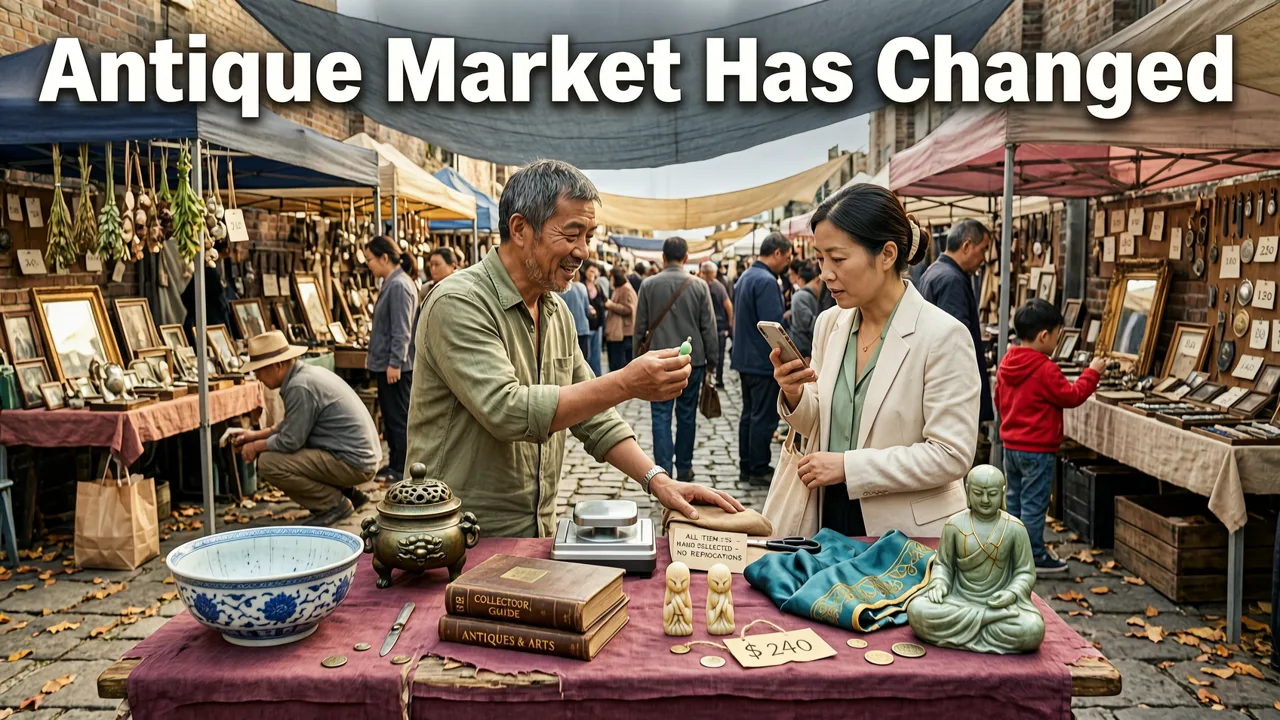
The antique and collectibles market in 2026 looks different from even five years ago. Several forces have reshaped what buyers want and what they're willing to pay:
- AI-powered identification tools have made it easier than ever to research pieces instantly, which means sellers can't rely on buyer ignorance to close a deal.
- Younger collectors (Millennials and Gen Z) are driving demand for bold, statement-making pieces — think large-scale oil paintings, sculptural pottery, and colorful Art Nouveau glass.
- Sustainability trends continue to push buyers toward quality vintage furniture and decor rather than fast-furniture replacements.
- Online auction platforms have globalized the market, so a small-town estate sale can attract bidders from Tokyo, London, and São Paulo.
- Depression-era and wartime items are seeing renewed interest as the last generation with direct family connections to those eras passes on.
The result? Some categories have surged in value while others have plateaued or declined. Understanding these shifts is essential before you invest time — or money — in any piece.
Top Categories of Antiques Worth Money in 2026

1. Mid-Century Modern Furniture
Mid-century modern furniture remains one of the strongest categories in 2026. Pieces by designers like Hans Wegner, Arne Jacobsen, Paul McCobb, and Dorothy Draper continue to appreciate, especially when they retain original finishes and hardware. Even lesser-known manufacturers are seeing healthy demand if the design is clean, functional, and photogenic.
Realistic values in 2026:
- Authentic Danish teak sideboards: $1,200 – $6,500
- Original Eames lounge chairs (vintage, not reissues): $4,000 – $9,000
- Paul McCobb Planner Group desks: $2,500 – $7,000
- Miscellaneous MCM coffee tables: $300 – $1,800
2. American Sterling Silver and Flatware
American sterling silver flatware sets from makers like Gorham, Towle, Wallace, and Tiffany remain highly collectible. Complete sets in original packaging with minimal wear command the highest prices. Even individual serving pieces in rare patterns can fetch $100 to $400 each.
Key patterns trending in 2026 include Gorham Chantilly, Towle Old Master, and Tiffany's Audubon pattern. Buyers are particularly interested in sets that include hard-to-find pieces like cold meat forks, bouillon spoons, and asparagus servers.
3. Art Deco and Art Nouveau Jewelry
Fine jewelry from the Art Deco (1920s–1930s) and Art Nouveau (1890s–1910s) periods continues to perform well at auction. Platinum settings, calibrated gemstones, and signed pieces from houses like Cartier, Van Cleef & Arpels, and Boucheron lead the market. However, unsigned pieces with strong craftsmanship and period-appropriate design can still bring $500 to $5,000 depending on materials and condition.
4. Rare Ceramics and Porcelain
European porcelain from Meissen, Sèvres, and Royal Copenhagen holds steady value, while American art pottery — particularly pieces by Roseville, Weller, and Grueby — has seen a resurgence. Hand-painted Chinese export porcelain and early Japanese Imari ware also attract serious collectors.
5. Vintage and Antique Rugs
Hand-knotted Oriental rugs, especially Persian Tabriz, Kerman, and Caucasian pieces from the late 19th and early 20th centuries, remain valuable. In 2026, buyers are favoring rugs with bold geometric patterns and rich vegetal dyes over the more formal floral designs that dominated earlier decades.
Antiques That Have Lost Value in 2026
Not every old item is a goldmine. Several categories that were hot ten or twenty years ago have cooled significantly:
- Hummel figurines: Once prized at hundreds of dollars, most now sell for under $20.
- Bradford and Franklin mint collectibles: Limited-edition plates and figurines from the 1970s–1990s have virtually no resale market.
- Beanie Babies: Despite internet myths, most common Beanie Babies are worth less than $5.
- Mass-produced "antique-style" furniture: 1980s and 1990s reproductions of Colonial or Victorian furniture have minimal collector interest.
- Common Depression glass: While rare patterns still hold value, mass-produced pink and green Depression glass has declined sharply.
If you're holding items from these categories, don't despair — they may still have sentimental or decorative value, but don't expect auction-house prices.
How to Tell If Your Antique Is Actually Worth Money
Identifying whether a piece has real value requires a systematic approach. Start by examining these factors:
- Maker's marks and signatures: Look for stamps, hallmarks, or signatures on the bottom, back, or interior of the piece.
- Materials and construction: Dovetail joints, hand-forged nails, and natural wear patterns indicate age and quality.
- Condition: Damage, repairs, and replacements reduce value — but in some categories (like folk art), imperfections add character.
- Provenance: Documentation of previous ownership, exhibition history, or publication in reference books can significantly boost value.
- Current market demand: Research recent sold listings on auction platforms to gauge what buyers are actually paying, not just what sellers are asking.
For a detailed walkthrough, our Antique Appraisal Checklist: What Experts Look For in 2026 breaks down each of these factors with examples.
Realistic Value Ranges for Common Finds
To give you a practical sense of what everyday antiques might be worth in 2026, here's a comparison table based on recent market data:
| Item Category | Typical Value Range (2026) | Key Value Drivers |
|---|---|---|
| American cut glass (brilliant period, 1880–1910) | $150 – $2,500 | Pattern complexity, condition, maker |
| Victorian mourning jewelry | $75 – $1,200 | Materials (jet, hairwork, gold), craftsmanship |
| Vintage Levi's jeans (pre-1970s) | $200 – $3,000 | Label type, wash, rarity of cut |
| First edition books (literary fiction) | $100 – $15,000+ | Condition, dust jacket, signature |
| Antique quilts (handmade, pre-1900) | $300 – $5,000 | Pattern rarity, fabric quality, provenance |
| Vintage cast iron cookware (Griswold, Wagner) | $50 – $800 | Size, pattern, condition, rarity |
| Art pottery (Roseville, Weller, McCoy) | $40 – $3,500 | Line, glaze quality, size, condition |
| Military medals and uniforms | $25 – $2,000 | Branch, conflict, documentation, rank |
Keep in mind that these are realistic ranges based on actual sales — not inflated insurance appraisals or wishful-thinking estimates from online forums.
How to Get Your Antiques Appraised in 2026
Once you've identified a potentially valuable piece, the next step is getting it appraised. In 2026, you have several options:
- Online AI-powered appraisal services: Platforms that use artificial intelligence to analyze your photos and provide preliminary valuations within minutes. These are cost-effective for initial screening. Learn more in our guide to Online Antique Appraisal Services in 2026.
- Certified appraisers: For insurance, estate, or donation purposes, you'll need a formal appraisal from a certified professional. Expect to pay $150–$400 per hour, depending on the appraiser's expertise and your location. See our Antique Appraisal Cost Guide for detailed pricing.
- Auction house consultations: Major houses like Sotheby's, Christie's, and Heritage Auctions offer free preliminary valuations for items they believe will sell well at auction.
- Free appraisal events: Many local historical societies and antique clubs host free appraisal days. Check our guide on how to get antiques appraised for free for legit options.
Tips for Selling Antiques Worth Money in 2026
If you've confirmed that your antiques have value, here's how to maximize your return:
- Photograph everything clearly: Use natural light, include close-ups of marks and signatures, and show any flaws honestly.
- Research the right platform: High-value items do best at auction houses or specialized online marketplaces. Mid-range pieces sell well on eBay, Etsy, or Chairish. Lower-value items may be better suited to Facebook Marketplace or local consignment.
- Write detailed descriptions: Include dimensions, materials, condition, maker's marks, and any known provenance. Buyers in 2026 expect thorough information.
- Time your sale: Certain categories perform better at specific times of year. For example, vintage holiday decor sells best in October–November, while garden antiques peak in spring.
- Be patient: Rushing to sell often means accepting lower offers. If you're not in a hurry, wait for the right buyer.
Common Mistakes That Reduce Antique Value
Even valuable antiques can lose significant worth if handled improperly. Avoid these common pitfalls:
- Cleaning or refinishing: Unless you're a trained conservator, don't attempt to clean, polish, or refinish antiques. Original patina and finish are often worth more than a "like new" appearance.
- DIY repairs: Gluing broken pieces, reattaching handles, or touching up paint can destroy value. Leave repairs to professionals.
- Storing in poor conditions: Attics, basements, and garages expose antiques to temperature swings, humidity, and pests. Store items in climate-controlled spaces whenever possible.
- Discarding original packaging: Boxes, tags, and documentation can add 20–50% to an item's value. Keep everything together.
- Overestimating value based on age alone: Just because something is old doesn't mean it's valuable. Demand, rarity, and condition matter far more than age.
Why AI Identification Is Changing the Game in 2026
Artificial intelligence has revolutionized antique identification over the past few years. Modern AI tools can analyze photos of maker's marks, patterns, and construction details to provide instant preliminary identifications. While AI isn't a replacement for expert appraisal, it's an invaluable first step for collectors and resellers who need to quickly assess whether an item is worth pursuing.
The key advantage of AI-powered identification is speed. Instead of spending hours flipping through reference books or posting questions on forums, you can get a reasonable assessment in minutes. This is especially useful when you're at an estate sale, thrift store, or flea market and need to make quick decisions about what to buy.
Frequently Asked Questions
What antiques are worth the most money in 2026?
The highest-value antiques in 2026 include fine European porcelain (Meissen, Sèvres), signed Art Deco jewelry, authentic mid-century modern furniture by named designers, early American silver, and rare first-edition books. Individual pieces can range from $5,000 to over $100,000 depending on rarity, condition, and provenance.
How do I find out what my antiques are worth?
Start by researching maker's marks and comparing your item to recent sold listings on auction platforms. For a formal valuation, hire a certified appraiser or use an online AI-powered appraisal service for a quick preliminary assessment. Always get multiple opinions for high-value items.
Are antiques from the 1970s and 1980s worth anything?
Some items from the 1970s and 1980s are gaining value, particularly mid-century modern furniture, vintage denim, and certain art pottery. However, mass-produced collectibles from this era (like Hummel figurines and commemorative plates) have little to no resale value.
What's the best way to sell antiques in 2026?
For high-value items ($1,000+), use established auction houses or specialized online marketplaces. Mid-range items ($100–$1,000) sell well on eBay, Etsy, or Chairish. Lower-value items are best suited to local platforms like Facebook Marketplace. Always photograph items clearly and write detailed descriptions.
Should I clean my antiques before selling them?
Generally, no. Cleaning or refinishing antiques can significantly reduce their value by removing original patina and finish. Light dusting with a soft, dry cloth is usually safe, but avoid chemical cleaners, polishing, or any form of restoration unless advised by a professional conservator.
Ready to Find Out What Your Antiques Are Worth?
Whether you've just inherited a house full of treasures or you're a seasoned collector looking to verify a new acquisition, identifying your antiques is the first step toward understanding their true value. Our AI-powered Antique Identifier app can help you quickly assess your pieces, identify maker's marks, and get realistic value estimates — all from your smartphone.
Don't let valuable antiques sit unrecognized in your attic. Download the Antique Identifier app today and start discovering what your collectibles are really worth in 2026.
Related resources
Frequently Asked Questions
What antiques are worth the most money in 2026?
The highest-value antiques in 2026 include fine European porcelain (Meissen, Sèvres), signed Art Deco jewelry, authentic mid-century modern furniture by named designers, early American silver, and rare first-edition books. Individual pieces can range from $5,000 to over $100,000 depending on rarity, condition, and provenance.
How do I find out what my antiques are worth?
Start by researching maker's marks and comparing your item to recent sold listings on auction platforms. For a formal valuation, hire a certified appraiser or use an online AI-powered appraisal service for a quick preliminary assessment. Always get multiple opinions for high-value items.
Are antiques from the 1970s and 1980s worth anything?
Some items from the 1970s and 1980s are gaining value, particularly mid-century modern furniture, vintage denim, and certain art pottery. However, mass-produced collectibles from this era (like Hummel figurines and commemorative plates) have little to no resale value.
What's the best way to sell antiques in 2026?
For high-value items ($1,000+), use established auction houses or specialized online marketplaces. Mid-range items ($100–$1,000) sell well on eBay, Etsy, or Chairish. Lower-value items are best suited to local platforms like Facebook Marketplace. Always photograph items clearly and write detailed descriptions.
Should I clean my antiques before selling them?
Generally, no. Cleaning or refinishing antiques can significantly reduce their value by removing original patina and finish. Light dusting with a soft, dry cloth is usually safe, but avoid chemical cleaners, polishing, or any form of restoration unless advised by a professional conservator.
Related Articles


Explore more practical antique identification and appraisal guides.
View all articles