12 Best Antiques to Resell Online in 2026 (Low Risk, High ROI)
Discover the 12 best antiques to resell online in 2026. Learn what sells fast, yields strong margins, and carries low risk for resellers of every experience level.

12 Best Antiques to Resell Online in 2026 (Low Risk, High ROI)
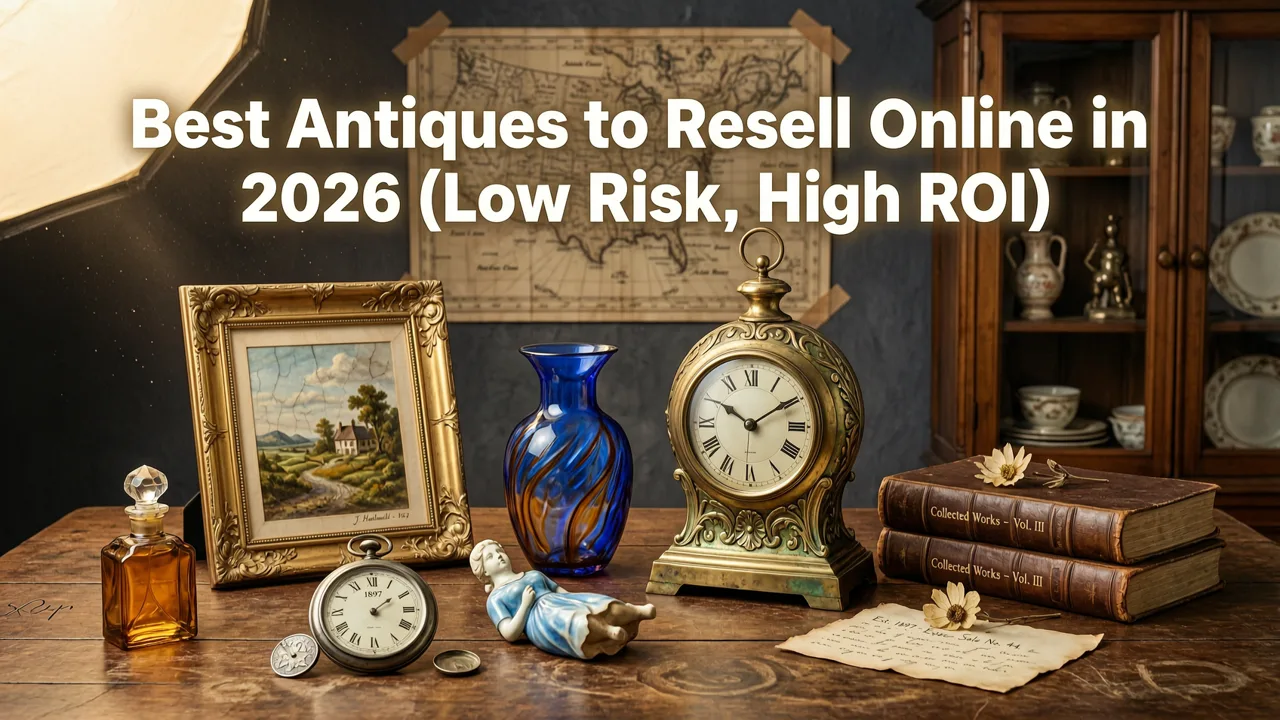
If you've been sourcing estate sales, thrift stores, or flea markets and wondering which pieces are actually worth listing, you're not alone. The short answer: the best antiques to resell online in 2026 are items with strong search demand, compact shipping profiles, and verifiable maker marks that keep return rates low.
This guide breaks down twelve categories that consistently deliver solid margins for resellers this year, explains why each one works, and shows you how to spot the pieces buyers are actively searching for right now.
Why the Resale Antique Market Has Shifted in 2026
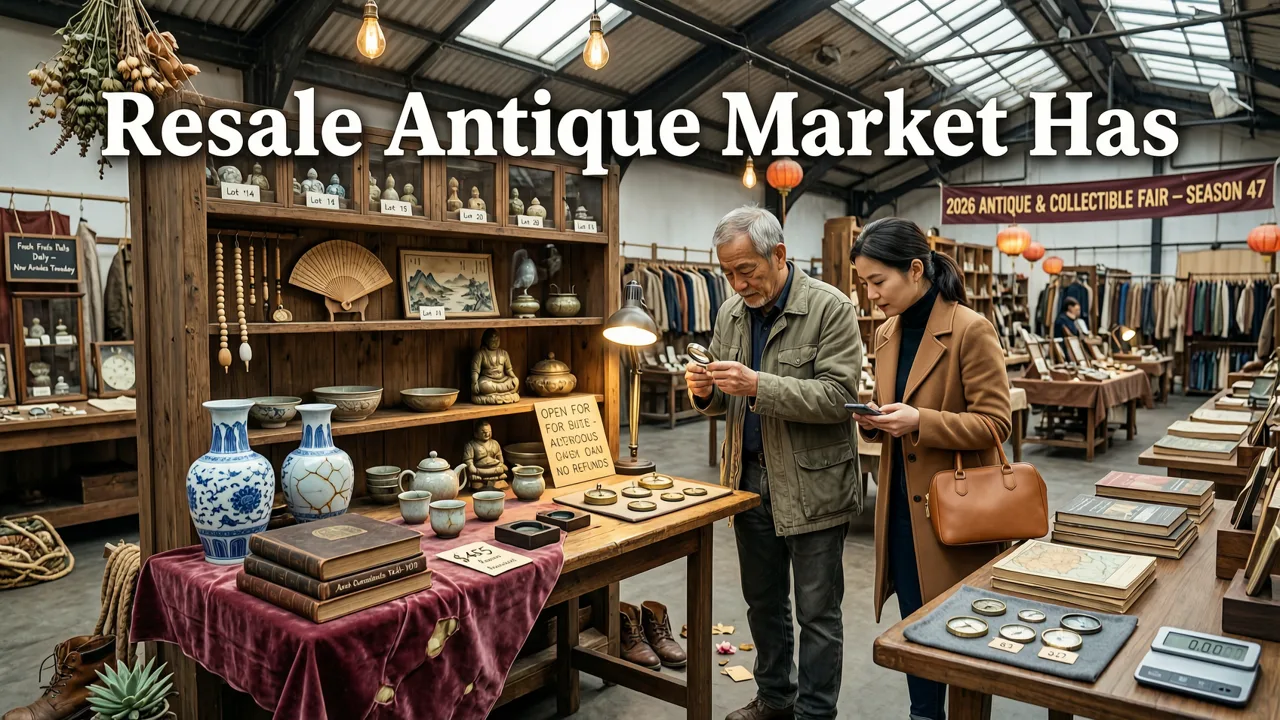
The online antique market in 2026 looks different from even two years ago. AI-powered identification tools have made it easier for buyers to verify authenticity before purchasing, which means poorly researched listings get ignored while well-documented pieces command premium prices. Platforms like Etsy, eBay, and specialized marketplaces now surface items based on detailed attribute matching rather than keyword stuffing alone.
Three macro trends are shaping what sells best right now:
- Younger collectors are driving demand for Mid-Century Modern, Art Deco, and Studio Craft pieces, replacing the Victorian and Early American categories that dominated previous decades.
- Shipping economics matter more than ever. Buyers expect free or low-cost shipping, so lightweight, durable items with predictable dimensions outperform heavy furniture on most platforms.
- Provenance documentation is a selling advantage. Listings that include maker history, era context, and condition details convert at significantly higher rates than bare-bones posts.
With those dynamics in mind, here are the categories worth focusing your sourcing energy on.
1. Mid-Century Modern Glassware

MCM glassware remains one of the most reliable categories for online resellers. Pieces from makers like Fenton, Blenko, Viking, and Pilgrim sell consistently, and their colorful palettes photograph well on every platform.
What makes this category low risk:
- Lightweight and easy to ship with standard box-and-foam methods.
- Strong collector communities that keep demand steady year-round.
- Clear maker marks on most pieces, reducing authentication disputes.
Focus on bold-colored vases, console bowls, and candy dishes in excellent condition. Chips and cracks dramatically reduce value in this category, so inspect carefully at the source.
2. Vintage Costume Jewelry
Costume jewelry from the 1930s through the 1970s continues to perform exceptionally online. Signed pieces from Trifari, Coro, Miriam Haskell, Weiss, and Schiaparelli command strong premiums, but even unsigned Art Deco and Retro-era pieces move quickly when priced correctly.
The economics work well for resellers because costume jewelry is compact, ships cheaply in padded envelopes, and has a massive buyer base. Brooches, clip earrings, and cocktail rings tend to sell fastest. Always photograph hallmarks and any maker signatures clearly — they're often the deciding factor in a sale.
3. Antique and Vintage Linens
Handmade and hand-embroidered linens are a sleeper category that many resellers overlook. Irish crochet lace, Battenberg lace tablecloths, hemstitched dinner napkins, and monogrammed guest towels all have dedicated buyers on Etsy and eBay.
Linens ship flat in a priority mail envelope, virtually eliminating damage risk. The key is to look for fine handwork — machine-made items from the 1950s onward rarely command strong prices. Check for maker labels, monogram quality, and fabric integrity. Stains are negotiable; tears and missing sections are not.
4. Vintage and Antique Pottery & Ceramics
Pottery and ceramics span a wide price range, but certain subcategories deliver remarkably consistent returns. Redwing, Roseville, Weller, McCoy, and Hull American art pottery pieces remain popular, as does Staffordshire transferware and English Delft.
What to source
Wall pockets, figural vases, cookie jars, and planters tend to sell faster than generic dinnerware sets. Transferware plates and platters with clear backstamps are a staple for antique dealers online. Always check for hairline cracks by gently tapping — a clear ring indicates no damage, while a dull thud often signals a hidden flaw.
5. Vintage Watches and Pocket Watches
The vintage watch market has grown substantially, and it's no longer limited to luxury Swiss pieces. Waltham, Elgin, Hamilton, and Illinois pocket watches sell steadily to collectors and gift buyers alike. On the wristwatch side, mid-century Timex, Bulova, and Seiko models in running condition are easy wins.
This category requires some technical knowledge. A non-running movement doesn't kill a sale, but you must disclose it honestly. Watches ship easily in small padded boxes, and buyer satisfaction is high when condition is accurately described. For higher-value pieces, consider getting a basic assessment — our guide on how to tell if an antique is valuable covers the key checkpoints.
6. Antique Books and Ephemera
First editions, signed copies, and historically significant ephemera (letters, maps, trade cards, postcards) represent a low-risk, high-margin category. The sourcing cost is often minimal, and the shipping cost is almost nothing.
High-demand subcategories in 2026
- Early photography books and daguerreotype-related ephemera
- Signed first editions of mid-century literary fiction
- Vintage travel posters and railroad brochures
- WWI and WWII letters, maps, and military documents
Condition matters enormously in books. Check the spine, hinges, and pages for foxing, tears, or missing plates. Ephemera buyers are generally more forgiving of age-related wear, but they expect accurate descriptions.
7. Vintage Cameras and Optical Instruments
Mechanical cameras from the 1930s through the 1970s have a passionate collector base. Kodak Brownies, Argus C3, Rolleiflex, and Zeiss Ikon models sell well, especially when they include original cases and accessories.
Binoculars, field scopes, and early microscopes also perform in this niche. The appeal is partly aesthetic — these instruments look stunning in photographs and display beautifully — and partly functional, as many still work after decades. Test shutters and focus mechanisms before listing, and note any issues clearly.
8. Sterling Silver Flatware and Holloware
Sterling silver remains a perennial reseller favorite because it has intrinsic melt value as a floor price, meaning your downside risk is limited. Tiffany, Gorham, Towle, Wallace, and Kirk sterling patterns are actively sought by collectors completing sets.
Flatware pieces — especially tablespoons, salad servers, and butter knives in popular patterns — sell quickly. Holloware items like creamers, sugar bowls, and tray pieces carry higher individual values but require more careful photography and description. Always test with a magnet first: sterling is not magnetic. If you need a formal valuation on a significant piece, our antique appraisal cost guide explains what professional appraisals run in 2026.
9. Vintage and Antique Textiles: Quilts and Rugs
Handmade quilts, particularly those with identifiable patterns like Log Cabin, Double Wedding Ring, and Crazy Quilt, attract strong interest from home decorators and textile collectors. Pre-1920 quilts in good condition command the highest prices.
Small antique rugs — Navajo, Oushak, Kilim, and Chinese Art Deco pieces — also sell well online because they're easier to ship than full-size room rugs. Look for tight weaving, vibrant natural dyes, and minimal foundation damage. Photograph both the front and back to show construction quality.
10. Vintage Electronics and Radios
Cathedral radios, Bakelite table radios, and vintage record players have a devoted following. Zenith, Philco, Crosley, and Emerson radios from the 1930s and 1940s are particularly popular. Working units sell at a significant premium over non-working ones, but even "as-is" pieces move if the cabinet is in good shape.
The main risk in this category is shipping damage to glass tubes, dials, and decorative elements. Double-boxing is essential, and many successful resellers price accordingly to cover the extra packaging cost. Vintage turntables and reel-to-reel tape decks are also gaining momentum in 2026 as analog audio culture continues to expand.
11. Antique Maps and Prints
Original antique maps — especially those hand-colored and dating from the 17th through 19th centuries — are a compact, high-margin category. Maps of specific regions, cities, or states carry a built-in local buyer base, which helps with targeted marketing.
Condition is paramount. Look for clean margins, strong color, and minimal foxing. Maps that have been professionally restored or linen-backed can sell at premium prices, but always disclose any restoration. Vintage prints — botanical, ornithological, and architectural — follow similar dynamics and are popular with interior designers sourcing for client projects.
12. Vintage Designer Fashion and Accessories
The resale market for vintage designer fashion continues to grow in 2026. Handbags from Hermès, Chanel, Louis Vuitton, and Coach lead in value, but mid-tier vintage designers like Lily Pulitzer, Gunne Sax, and Pendleton also sell reliably at strong margins.
Leather goods, silk scarves, and vintage sunglasses are the easiest items to source and resell because they're compact, durable, and authenticate relatively easily. Always photograph labels, stamps, and hardware closely. For high-value designer pieces, consider using a professional authentication service before listing to reduce return risk.
How to Evaluate Any Antique for Resale Potential
Regardless of which category you focus on, the same core evaluation principles apply. Before you commit to purchasing a piece for resale, run through this quick checklist:
- Research sold comps. Check completed listings on eBay and Etsy to see what buyers are actually paying, not just what sellers are asking.
- Assess condition honestly. Damage reduces value in almost every category, but the degree varies. A chip on a Redwing vase matters more than a small stain on a quilt.
- Verify authenticity markers. Maker marks, backstamps, hallmarks, and construction details are your first line of defense against costly mistakes.
- Calculate total landed cost. Include purchase price, travel time, shipping materials, platform fees, and payment processing to determine your true break-even point.
- Estimate sell-through time. Some items sell in days; others may sit for months. Factor carrying time into your pricing strategy.
If you're sourcing at estate sales and need on-the-spot guidance, AI identification tools can help you quickly narrow down maker, era, and approximate value range. For pieces that appear to have significant value, you may want to connect with a professional — our resource on finding an antique appraiser near you walks through vetting qualified experts in 2026.
Quick Comparison: Resale Metrics by Category
The table below summarizes key resale metrics for each of the twelve categories covered in this guide. Use it to prioritize your sourcing based on your available budget, shipping capabilities, and risk tolerance.
| Category | Avg. Sourcing Cost | Avg. Resale Price | Shipping Difficulty | Sell-Through Speed |
|---|---|---|---|---|
| MCM Glassware | $5 – $25 | $30 – $150 | Low | Fast |
| Costume Jewelry | $3 – $15 | $20 – $200 | Very Low | Fast |
| Vintage Linens | $5 – $20 | $25 – $120 | Very Low | Moderate |
| Pottery & Ceramics | $8 – $30 | $35 – $250 | Moderate | Fast |
| Vintage Watches | $15 – $75 | $50 – $500+ | Low | Moderate |
| Books & Ephemera | $1 – $20 | $15 – $300 | Very Low | Variable |
| Vintage Cameras | $10 – $50 | $40 – $400 | Moderate | Moderate |
| Sterling Silver | $20 – $80 | $50 – $600+ | Low | Fast |
| Quilts & Small Rugs | $15 – $60 | $75 – $500 | Moderate | Moderate |
| Vintage Radios | $20 – $75 | $80 – $500 | High | Moderate |
| Antique Maps | $10 – $50 | $50 – $1,000+ | Very Low | Variable |
| Vintage Designer Fashion | $15 – $100 | $50 – $2,000+ | Low | Fast |
As the data shows, costume jewelry, books and ephemera, and vintage linens offer the lowest barrier to entry with minimal shipping risk. Sterling silver and designer fashion carry higher price points but require more authentication care.
Platform Strategy: Where to List in 2026
Choosing the right platform is just as important as choosing the right items. Here's a quick breakdown of where each category performs best:
- eBay remains the strongest all-around marketplace for antiques and collectibles, with the largest active buyer base for Mid-Century glassware, pottery, watches, and radios.
- Etsy is ideal for vintage linens, costume jewelry, designer fashion, and textiles — buyers there expect curated, well-photographed listings with strong style narratives.
- Instagram and Facebook Marketplace work well for furniture-adjacent items and local sales of heavier pieces like radios or small rugs.
- Ruby Lane and 1stDibs cater to higher-end buyers and are best reserved for premium sterling, fine pottery, and authenticated designer pieces.
Successful resellers in 2026 typically list on two or three platforms simultaneously, adjusting pricing slightly to account for each platform's fee structure.
Common Reseller Mistakes to Avoid
Even experienced resellers fall into traps that erode margins. Watch out for these:
Over-relying on a single data point
One high sold listing doesn't represent the market. Always check at least five to ten recent sold comps before pricing. Outlier sales skew expectations and lead to inventory that sits.
Underestimating shipping complexity
A piece you source for $10 can easily cost $25 to ship safely if it's fragile or oddly shaped. Always factor packaging materials and insurance into your pricing model from the start.
Skipping authentication steps
Selling a reproduction as an antique — even unintentionally — damages your seller reputation and can result in platform penalties. When in doubt, use AI identification tools or consult reference guides before listing.
Neglecting photography quality
In 2026, buyers expect multiple high-resolution photos from different angles, close-ups of marks and flaws, and lifestyle or scale shots. Listings with poor photos get buried regardless of how rare the item is.
Final Thoughts: Build a Resale Business on Knowledge
The best antiques to resell online in 2026 aren't defined by any single era or style — they're defined by the intersection of strong demand, manageable logistics, and your ability to identify and present them well. Start with one or two categories where you can build deep knowledge, source consistently, and develop a reputation for accurate descriptions.
The resellers who thrive long-term are the ones who treat identification as a skill worth investing in. Whether you're using AI tools for quick initial assessments or consulting professional appraisers for high-value finds, the effort you put into accurate identification directly translates to better prices, fewer returns, and a stronger brand.
Ready to identify your next great find? Use the Antique Identifier app to get instant insights on maker, era, and value indicators for any piece in your inventory — start making smarter sourcing decisions today.
Related resources
Frequently Asked Questions
What are the most profitable antiques to resell online in 2026?
The most profitable antiques to resell online in 2026 include Mid-Century Modern glassware, signed vintage costume jewelry, sterling silver flatware, American art pottery, and vintage designer fashion accessories. These categories combine strong buyer demand, manageable shipping logistics, and reliable sold-comps data that help you price confidently.
How do I authenticate antiques before reselling them?
Start by examining maker marks, backstamps, hallmarks, and construction details. Use AI-powered identification tools for quick initial assessments, then cross-reference with sold comps on eBay and Etsy. For high-value pieces, consult a professional appraiser or use a third-party authentication service, especially for designer handbags, fine art, and expensive watches.
Which online platform is best for selling antiques in 2026?
eBay remains the top platform for the broadest range of antiques and collectibles due to its large active buyer base. Etsy is ideal for vintage fashion, linens, and jewelry where style presentation matters. Ruby Lane and 1stDibs suit higher-end pieces. Most successful resellers list on two to three platforms simultaneously to maximize exposure.
How much should I budget for shipping when reselling antiques?
Budget $5 to $15 for small, lightweight items like jewelry and ephemera, $10 to $25 for mid-size items like glassware and pottery, and $20 to $50+ for larger or fragile pieces like radios and small rugs. Always include packaging materials and insurance in your cost calculations, and price your listings to cover these expenses.
What mistakes should new antique resellers avoid?
Common mistakes include relying on a single sold comp for pricing, underestimating shipping costs, skipping authentication steps, and using poor-quality photos. New resellers should also avoid overbuying in categories they don't understand and failing to track their true cost per item including time, materials, and platform fees.
Related Articles


Explore more practical antique identification and appraisal guides.
View all articles