Scanning Antiques With an App: What to Expect
What an antique identifier app can recognize from a scan, how to read its confidence scores, how it compares with manual research, and tips for clearer photos.
How do I scan an antique with my phone?
Install Antique Identifier from the App Store on an iPhone or iPad (there is no Google Play version), then photograph the item in daylight against a plain background, with close-ups of any marks. The app suggests what the item is, its likely age, origin and style, and an estimated value. Check important results with an expert.
On this page

How to Complete Your Antique Identifier App Download
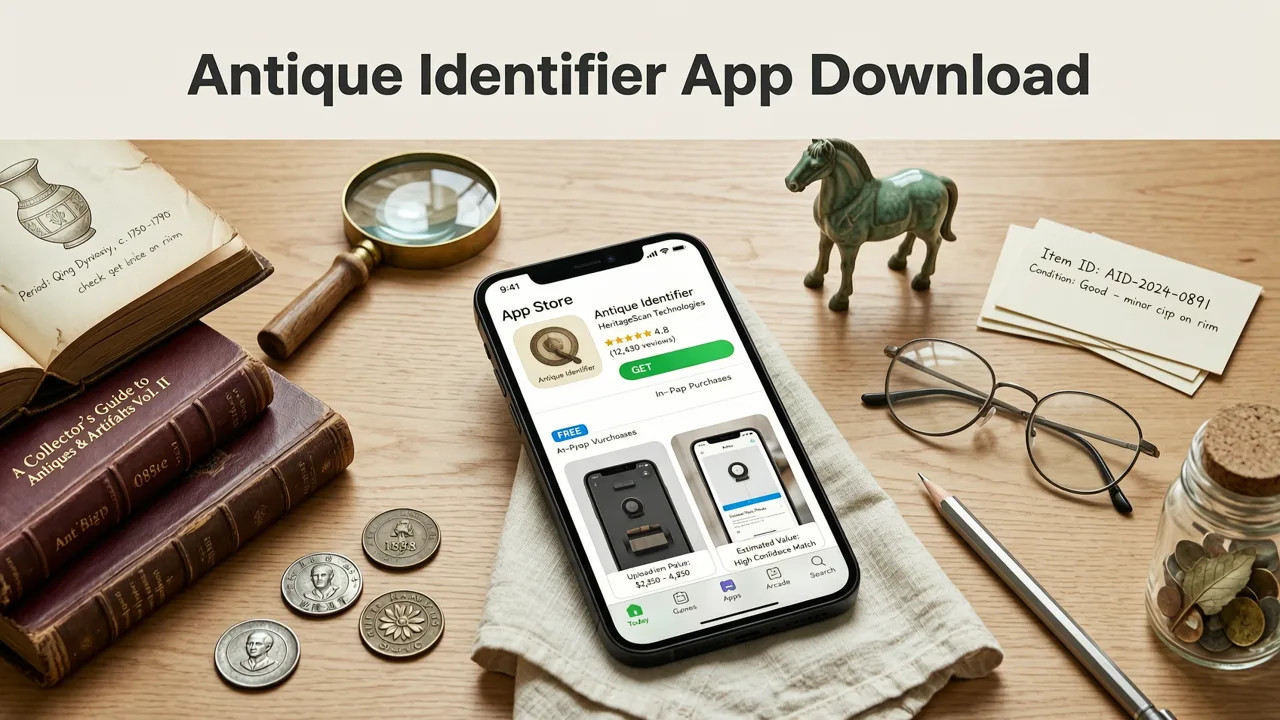
If you have uncovered a hidden treasure at an estate sale or inherited a collection of vintage items, determining its origins is the critical first step. The short answer for quick, accurate results in 2026 is to complete an antique identifier app download, which leverages advanced computer vision to recognize furniture, clocks, and porcelain in seconds. Rather than spending hours searching through physical reference books or waiting days for forum responses, modern AI-driven tools provide instant attribution and historical context directly from your smartphone.
Securing the application on your device is a straightforward process designed to get you scanning immediately. Whether you are a seasoned reseller or a casual thrift shopper, having this tool in your pocket transforms how you interact with the antique market.
Step-by-Step Installation Guide
- Visit Your Device App Store: Open the Apple App Store or Google Play Store on your mobile device.
- Search for the Application: Type the official application name into the search bar to ensure you are downloading the verified, official version.
- Initiate the Download: Tap the install or get button. The application is optimized for modern smartphones, requiring minimal storage space while maintaining a robust visual database.
- Create Your Profile: Upon opening the app for the first time, register an account to save your scan history, build a digital inventory, and track your collection's estimated origins.
- Grant Camera Permissions: Allow the application to access your camera and photo library so you can capture live scans or upload existing images of your finds.
Why Use an AI-Powered Antique Identifier in 2026
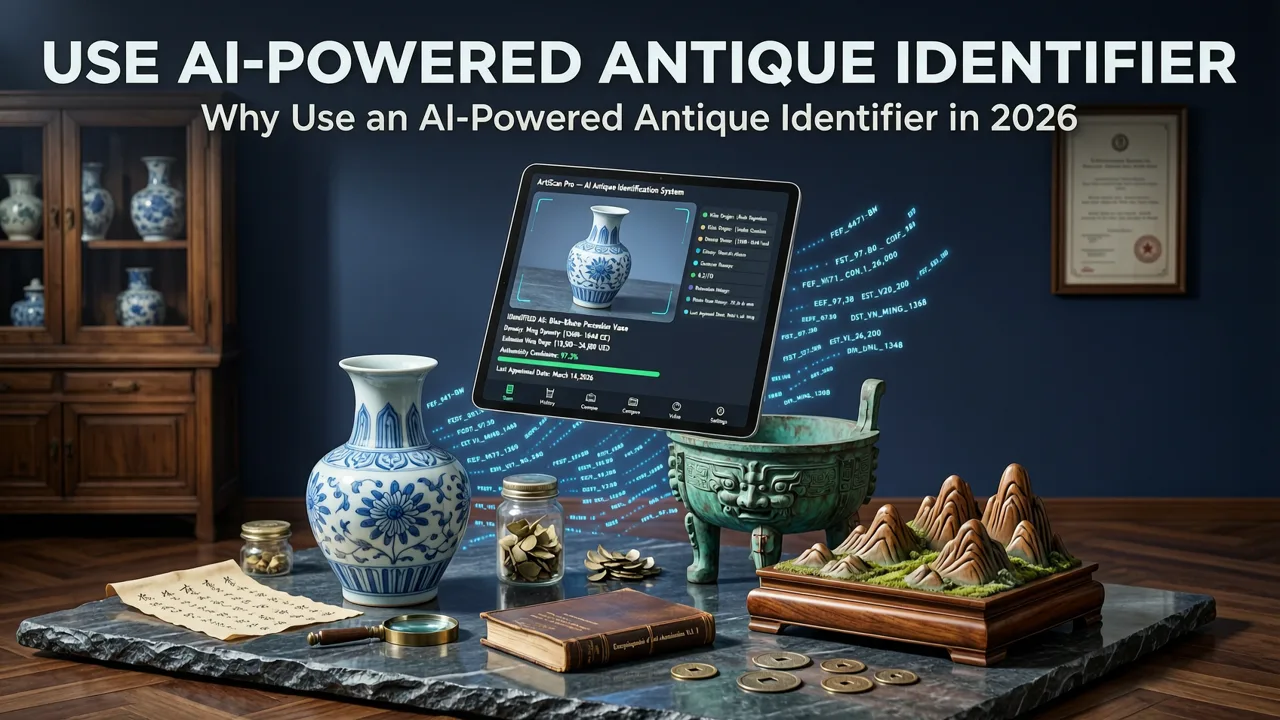
The landscape of collectibles identification has shifted dramatically. In previous years, identifying a piece required deep personal expertise or access to specialized physical archives. Today, artificial intelligence has democratized this knowledge. The underlying technology relies on complex neural networks trained on millions of historical catalog images, auction records, and museum archives.
Modern computer vision models do not merely look at colors and shapes; they analyze structural nuances, manufacturing imperfections, and stylistic hallmarks. For a deeper understanding of how these systems process complex visual data, the OpenAI documentation provides extensive insights into how multimodal AI interprets historical imagery. Furthermore, responsible AI development ensures that these tools are designed to assist human expertise rather than replace it, aligning with the ethical frameworks outlined in the Google AI guidance.
By utilizing an AI-powered scanner, collectors can bypass the initial bottleneck of basic identification. The application acts as a highly knowledgeable preliminary researcher, narrowing down possibilities from thousands of potential makers to a highly probable shortlist, allowing you to focus your energy on verification and valuation.
What You Can Identify After the Antique Identifier App Download
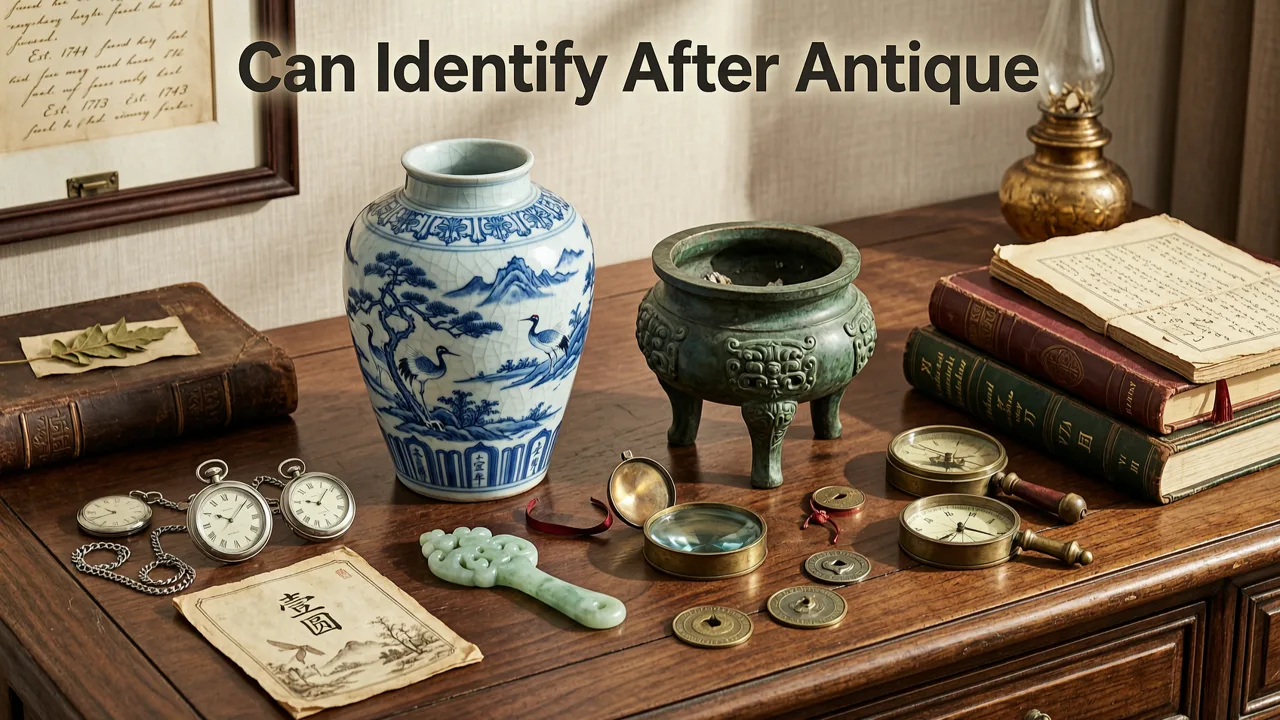
Once the software is installed, the breadth of items you can analyze is vast. The application is categorized to handle the unique challenges presented by different classes of antiques.
Furniture and Wood Attribution
Identifying vintage furniture requires analyzing joinery, hardware, and wood characteristics. If you are examining a heavy, intricately carved dresser or a sleek sideboard, the app analyzes the silhouette, leg profiles, and drawer construction. For those looking to understand the materials beneath the finish, our guide on How to Identify Antique Furniture Wood: The 2026 Guide provides essential context on grain patterns and oxidation. When combined with the visual data from The Best App to Identify Antique Furniture in 2026, you can confidently attribute pieces to specific eras, such as Victorian, Arts and Crafts, or Mid-Century Modern.
Antique Clocks and Timepieces
Clocks present a unique identification challenge due to their complex internal mechanisms and diverse exterior casings. The application analyzes the dial style, bezel construction, and case materials. Whether you are looking at a heavy brass mantle clock or an ornate porcelain timepiece, the AI cross-references the visual data with known horological designs. You can explore more about this specific category in our detailed breakdown of the Best App to Identify Antique Clocks in 2026, which highlights how AI detects subtle variations in escapement styles and pendulum designs.
Porcelain, Pottery, and Maker Marks
Perhaps the most frequent use case for the application is identifying ceramic wares. The app features specialized macro-scanning capabilities designed to read faint, worn, or obscured hallmarks. By capturing a close-up image of a backstamp, the software compares it against a comprehensive digital archive. For additional research, you can cross-reference your findings with the Antique Porcelain Maker Marks Database – Free 2026 Reference, ensuring you have verified the manufacturer and estimated production date.
Understanding AI Confidence Scores and Attribution
When you submit an image, the application does not just return a single definitive answer; it provides a confidence score alongside its top matches. This is a crucial feature for maintaining accuracy and managing expectations.
A high confidence score indicates that the visual markers in your scan strongly align with a specific maker or era. A moderate score suggests that while the style matches, certain defining characteristics—such as a missing hallmark or significant wear—prevent absolute certainty. In these cases, the app provides a shortlist of probable origins, guiding you on which specific physical attributes to examine next. This tiered approach ensures that the technology remains a reliable assistant, prompting further investigation rather than offering false guarantees.
Traditional Research vs AI App Identification
To understand the value of integrating this technology into your collecting routine, it is helpful to compare traditional identification methods with modern AI scanning.
| Feature | Traditional Manual Research | AI Antique Identifier App |
|---|---|---|
| Speed of Identification | Hours to days, requiring manual翻阅 of books or forum waiting periods. | Seconds, providing instant visual analysis and historical context. |
| Database Size | Limited to the physical books owned or specific forum expertise. | Access to millions of cross-referenced historical images and auction records. |
| Hallmark Detection | Requires a magnifying loupe and a physical hallmark encyclopedia. | Uses macro-lens optimization and image enhancement to read worn stamps. |
| On-Site Utility | Low; impractical to carry heavy reference materials to estate sales. | High; the entire reference library is accessible directly from your smartphone. |
| Inventory Management | Requires separate spreadsheet or physical cataloging systems. | Built-in digital inventory allows you to save scans, notes, and history. |
Tips for Getting the Best Scan Results
The accuracy of any visual recognition tool depends heavily on the quality of the input image. To ensure the application provides the most precise attribution, follow these professional scanning practices:
- Optimize Lighting: Use natural, diffused light whenever possible. Harsh flashes can wash out subtle patina, obscure wood grain details, or create glare on glazed porcelain and brass surfaces.
- Control the Background: Place the item against a neutral, uncluttered background. This prevents the AI from mistakenly analyzing surrounding objects as part of the antique's design.
- Capture Multiple Angles: Do not rely on a single shot. Scan the front, back, sides, and underside of the piece. The bottom of furniture or the base of pottery often holds the most critical manufacturing clues.
- Use Macro Mode for Marks: When scanning hallmarks, signatures, or maker's stamps, switch to your phone's macro lens or tap the screen to focus closely. Ensure the stamp is in sharp focus, even if the rest of the image is slightly blurred.
- Clean the Surface Gently: Remove surface dust or debris that might obscure carved details or stamps, but avoid applying polishes or cleaners before scanning, as these can alter the appearance of the patina.
Conclusion
Identifying antiques and vintage collectibles no longer requires years of specialized study or access to rare physical archives. By completing your antique identifier app download, you equip yourself with a powerful, AI-driven tool that brings instant recognition and historical context to your fingertips. Whether you are evaluating furniture, timepieces, or porcelain, this technology streamlines the research process, allowing you to make informed decisions quickly and confidently.
Ready to transform how you discover and verify vintage treasures? Download the Antique Identifier app today and start scanning your next great find.
Frequently Asked Questions
Is the antique identifier app free to download?
Yes, the application is free to download on both iOS and Android devices. It offers a robust set of basic scanning features, with optional premium tiers available for advanced inventory management and unlimited historical deep-dives.
Can the app identify items without visible maker marks or hallmarks?
Yes. While hallmarks provide definitive proof, the AI also analyzes structural design, material composition, joinery, and stylistic elements to provide a highly probable attribution even when stamps are missing or worn away.
Does the app provide the exact monetary value of an antique?
The app focuses on identification, historical context, and attribution rather than providing guaranteed monetary valuations. It helps you understand what an item is and its era, which is the necessary first step before determining market value.
How accurate is the AI recognition for antique furniture?
The AI is highly accurate when provided with clear, well-lit images that capture the piece's silhouette, joinery, and hardware. It cross-references these visual cues against a massive database of historical designs to narrow down the era and potential style origins.
More on identifying antiques with an app
Related Articles


Have a piece of your own to check? Photograph it with the Antique Identifier app. It's free to download for iPhone and iPad.