How to Clean Vintage Items Safely: A 2026 Collector's Guide
Learn how to clean vintage items safely without damaging their value. Discover expert 2026 techniques for glass, wood, metal, and ceramics.
On this page

How to Clean Vintage Items Safely: The Short Answer
If you have ever held a dusty piece of brass or a grimy ceramic plate and wondered about its true origins, knowing how to clean vintage items safely is your critical first step. The safest approach to cleaning collectibles is to begin with the gentlest method possible—typically distilled water and a pH-neutral soap—while strictly avoiding harsh chemicals that can strip away the original patina and diminish the piece's historical value.
Cleaning is not merely about making an object look new; it is about stabilizing the material and revealing its true characteristics without causing irreversible damage. Whether you are preparing a thrift store find for display or getting an estate piece ready for the market, proper cleaning techniques preserve both the physical integrity and the financial worth of your collectibles.
Why Knowing How to Clean Vintage Items Safely Matters
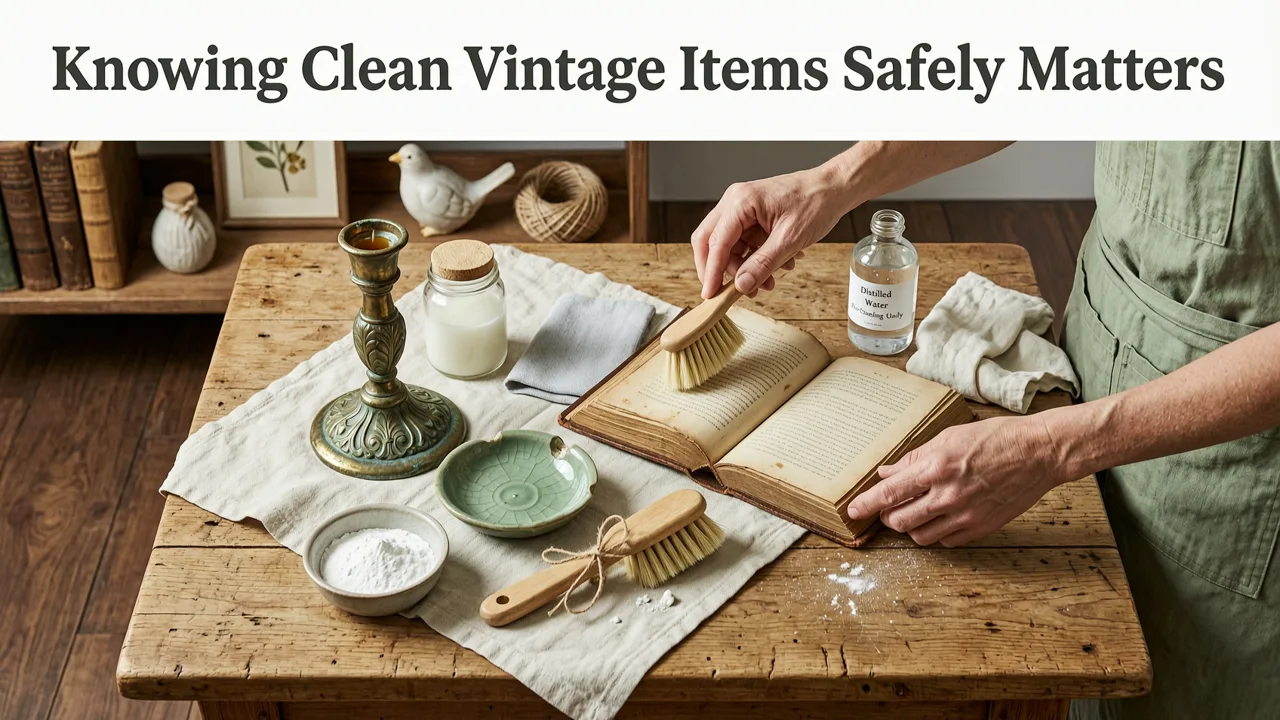
The antique and vintage market has evolved significantly by 2026, with collectors placing a higher premium on originality and surface history than ever before. A common misconception among novice resellers and thrift shoppers is that an item must look brand new to command a good price. In reality, aggressively scrubbing, polishing, or chemically stripping a piece can destroy its patina—the natural surface aging that proves its authenticity and age.
Understanding the delicate balance between removing active dirt (which can cause ongoing degradation) and preserving patina is essential. For a deeper understanding of how condition and originality impact pricing, it is helpful to review the vintage vs antique value difference that modern buyers look for. Over-cleaning can instantly turn a highly desirable, historically accurate piece into a diminished, over-restored object that serious collectors will avoid.
Step 1: Identify the Material Before You Clean
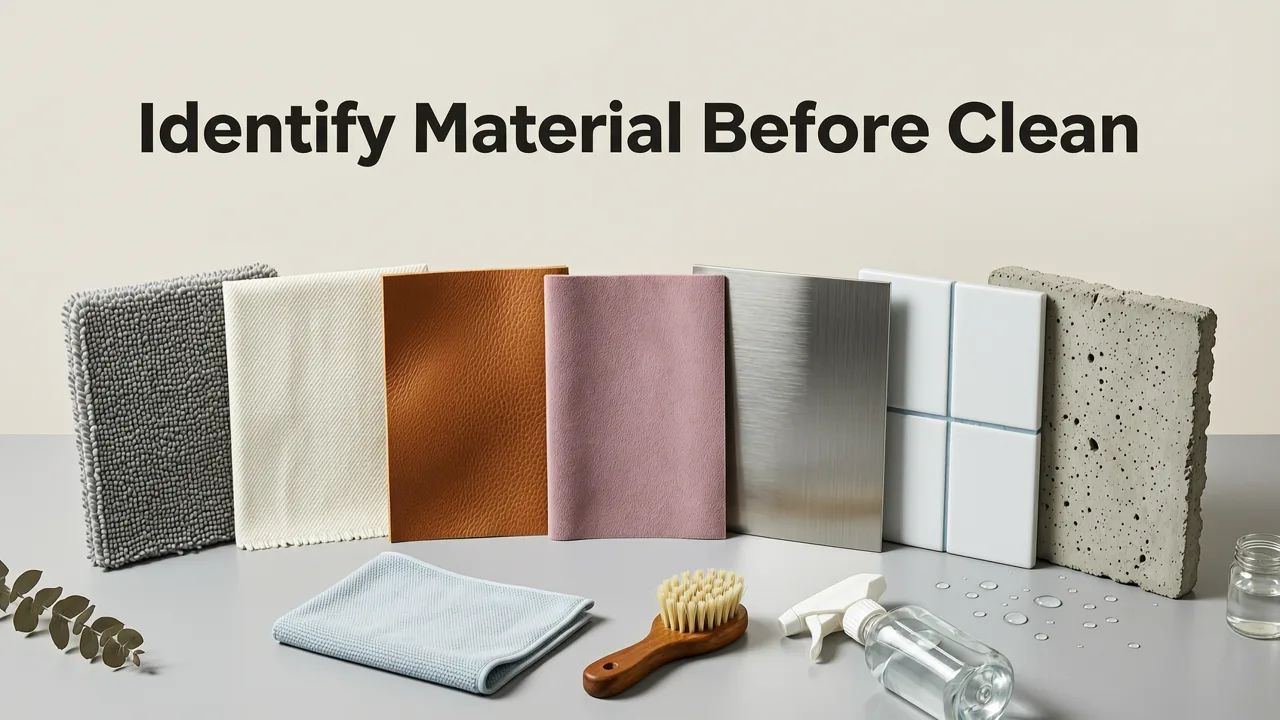
You cannot safely clean an object if you do not know what it is made of. Applying a silver polish to aluminum, or soaking a porous ceramic in water, can lead to catastrophic results. Before reaching for any cleaning solution, you must accurately identify the substrate.
Modern collectors increasingly rely on artificial intelligence to assist with this crucial first step. By using an antique identifier app free of complex manual research, you can quickly upload a photo of your item to receive material insights and historical context. When utilizing AI vision tools for identification, it is important to follow responsible data practices, much like the guidelines outlined in Google's AI responsibility frameworks, ensuring that your digital interactions remain secure while you gather the information needed to care for your physical items.
Step 2: General Rules for Vintage Cleaning Techniques
Regardless of the material, professional conservators adhere to a strict set of foundational rules when addressing surface grime and degradation.
- Start with the least aggressive method: Always begin with dry cleaning (soft brushing or microfiber wiping) before introducing any moisture.
- Progress slowly: If dry cleaning is insufficient, move to distilled water. Only if water fails should you introduce a mild, pH-neutral conservation soap.
- Test in an inconspicuous area: Apply your chosen cleaning method to a small, hidden section first. Wait for it to dry completely to check for discoloration or surface damage.
- Avoid harsh chemicals: Never use bleach, ammonia, or abrasive scrubbers on vintage surfaces. These can cause micro-scratches and chemical reactions that ruin finishes.
- Know when to stop: If an item is heavily soiled but the dirt seems bonded to the finish, stop cleaning. Forcing the dirt off will likely take the finish with it.
Material-Specific Guide: How to Clean Vintage Items by Type
Glass and Crystal
Vintage glassware, including Depression glass, cut crystal, and early pressed glass, is generally stable but can suffer from glass sickness (crizzling) if exposed to extreme humidity. To clean standard vintage glass, use a basin of lukewarm distilled water with a few drops of pH-neutral dish soap. Avoid sudden temperature changes, which can cause thermal shock and shatter the glass. Never place vintage glass in a modern dishwasher; the harsh detergents and high heat will permanently etch the surface.
Wood and Veneer
Wooden antiques require a delicate touch. The original finish—whether shellac, varnish, or wax—is often hundreds of years old and highly sensitive to modern solvents. Dust wooden items regularly with a soft, lint-free cotton cloth. If the surface is sticky or grimy, lightly dampen a cloth with distilled water and wipe with the grain, drying immediately. Avoid silicone-based commercial polishes, which create a buildup that complicates future professional restoration. Instead, use a conservation-grade microcrystalline wax sparingly, applied once or twice a year.
Metals (Silver, Brass, and Copper)
Metal cleaning is where the most value is often inadvertently destroyed. For silver, a light tarnish is expected and often desired by collectors; only remove tarnish if it is active (flaking or pitting) using a specialized, non-abrasive silver dip, followed by immediate rinsing and thorough drying. For brass and copper, the dark patina is a sign of age. Do not polish brass to a mirror shine unless it is a mechanical part where tarnish causes functional degradation. Wipe metals with a dry microfiber cloth to remove fingerprints and oils, which can cause localized corrosion over time.
Ceramics and Porcelain
Unglazed ceramics, like bisque porcelain or terracotta, are highly porous and will absorb water and stains instantly. Clean these only with a soft, dry brush. Glazed ceramics and porcelain can be washed in warm, soapy water. Always line the sink with a rubber mat or a thick towel to prevent catastrophic breakage if the item slips from your hands. Avoid using abrasive sponges on hand-painted designs, as the overglaze can be worn away over time.
Quick Reference: Vintage Cleaning Matrix
Use the following table as a rapid guide when assessing how to approach different materials in your collection.
| Material | Recommended First Step | Safe Cleaning Agents | Strictly Avoid |
|---|---|---|---|
| Glass / Crystal | Dry microfiber dusting | Distilled water, pH-neutral soap | Dishwashers, abrasive sponges, hot water |
| Finished Wood | Soft cotton cloth dusting | Damp cloth (distilled water), microcrystalline wax | Silicone sprays, ammonia, all-purpose cleaners |
| Silver | Distilled water rinse | Non-abrasive silver dip (if active tarnish) | Silver polish pastes, toothpaste, rough cloths |
| Brass / Copper | Dry brushing | Mild soapy water (if unlacquered) | Brass polish, acidic cleaners, steel wool |
| Glazed Ceramics | Soft brush | Warm soapy water | Abrasive scrubbers, harsh bleach |
When to Stop Cleaning and Call a Professional
There is a distinct line between routine maintenance and professional conservation. If you encounter items with flaking paint, active mold, severe corrosion, or structural instability, put down the cleaning supplies. Attempting to clean water-damaged paper, fragile textiles, or items with unstable gilding will almost certainly result in permanent loss. Professional conservators have access to specialized solvents, humidity chambers, and micro-abrasion tools that are not available to the general public. When in doubt, stabilize the environment (keep the item in a cool, dry, dark place) and seek expert advice.
Preparing Your Items for the Market
Once your items are safely cleaned and stabilized, the next logical step is determining their true market position. A cleanly presented item photographs better and attracts more interest, but its ultimate worth depends on rarity, condition, and current buyer demand. If you are preparing to liquidate an estate or flip thrifted finds, accurate pricing is critical. You can streamline this process by exploring tools designed to sell antique online valuation effectively, ensuring you do not underprice a rare find or overprice a common reproduction.
Conclusion
Learning how to clean vintage items safely is an investment in the preservation of history and the protection of your financial assets. By prioritizing gentle methods, respecting the original patina, and accurately identifying materials before applying any treatment, you ensure that your collectibles survive to be appreciated by future generations. Remember that in the world of antiques, less is almost always more.
Ready to discover what is hiding in your collection? Before you clean, identify. Download the Antique Identifier app today to instantly recognize your pieces, uncover their history, and get accurate value estimates to guide your collecting journey.
Frequently Asked Questions
Is it okay to use regular household cleaners on vintage items?
No, regular household cleaners often contain harsh chemicals, ammonia, or abrasives that can strip original finishes, dull patinas, and cause irreversible damage to delicate vintage materials. Always stick to distilled water and pH-neutral soaps.
Should I polish brass and copper antiques to make them shiny?
Generally, no. The dark patina on brass and copper is a sign of age and authenticity that many collectors prefer. Polishing them to a mirror shine removes this historical surface and can significantly decrease the item's market value.
Can I put vintage glassware in the dishwasher?
Never. The high heat and harsh detergents used in modern dishwashers will cause permanent etching and cloudiness on vintage glass. Always hand-wash vintage glassware gently using lukewarm distilled water and a mild soap.
How do I clean unglazed ceramics or porous pottery?
Unglazed ceramics are highly porous and will absorb water, leading to stains and structural weakness. Clean them strictly with a soft, dry brush to remove loose dust and dirt, avoiding all liquids.
Related Articles


Have a piece of your own to check? Photograph it with the Antique Identifier app. It's free to download for iPhone and iPad.