Vintage Collectibles Care Tips: A 2026 Preservation Guide
Discover proven vintage collectibles care tips to protect value, prevent damage, and preserve history. Expert cleaning, storage, and display advice for collectors.

Vintage Collectibles Care Tips: The Quick Answer
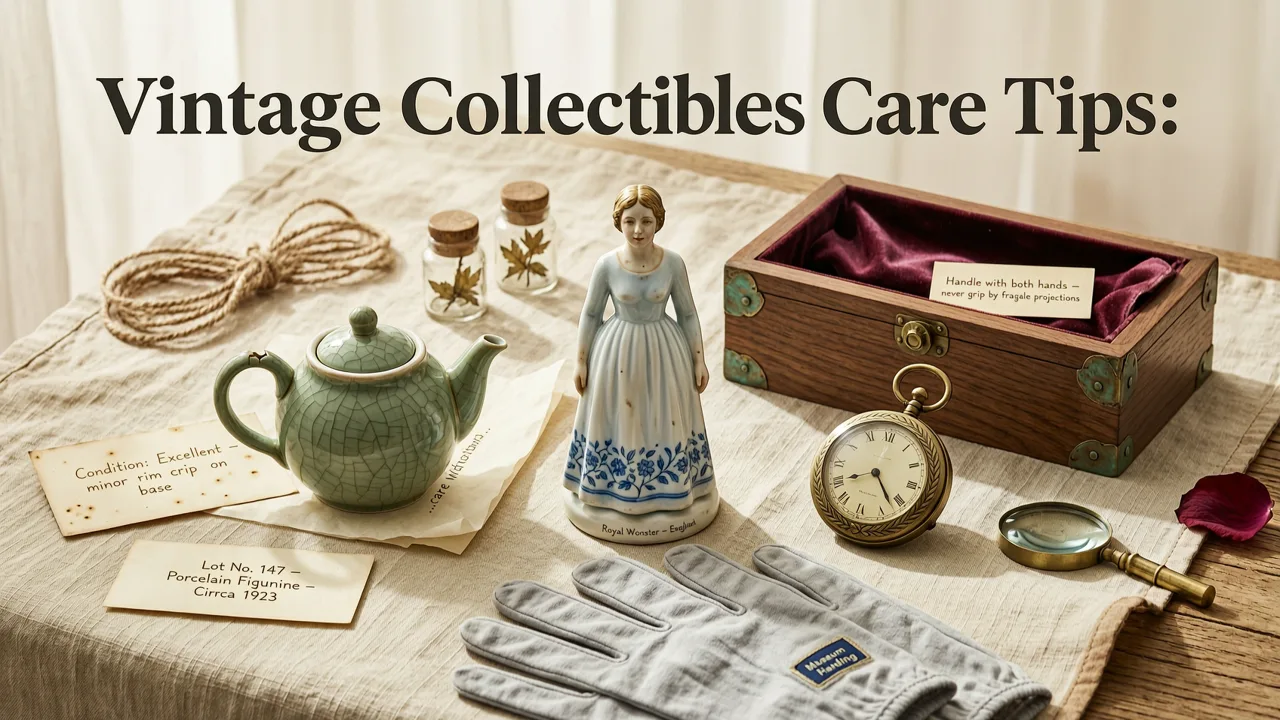
If you have ever held a fragile porcelain figurine, a tarnished silver tray, or a sun-faded quilt and wondered how to keep it looking its best, you are not alone. The short version of vintage collectibles care tips is this: control the environment, handle with clean hands, clean conservatively, and store with archival-quality materials. These four principles apply whether you are preserving a single heirloom or curating an entire collection.
Preservation is not just about aesthetics. Proper care directly affects market value, structural integrity, and historical authenticity. A well-maintained piece can appreciate for decades, while a neglected one can lose value permanently. This guide walks you through the most important vintage collectibles care tips by material, environment, and handling practice, so you can protect what you love and pass it on in the best possible condition.
Why Proper Care Matters for Collectors in 2026
The collectibles market has evolved considerably. Buyers and appraisers in 2026 place a premium on originality and condition. Restoration is acceptable when documented, but overcleaning, harsh chemical treatments, and irreversible alterations are penalized. A piece that has been lovingly preserved in a stable environment will almost always outperform one that has been aggressively "refreshed."
Climate patterns have also shifted. Rising humidity in some regions and drier winters in others create new stress on organic materials like wood, paper, and textiles. Collectors who understand how to respond to these environmental changes are better positioned to protect their investments.
The Three Pillars of Preservation
Every vintage collectibles care tip you encounter ultimately traces back to three pillars:
- Environmental control — managing temperature, humidity, and light exposure.
- Proper handling — using clean hands, gloves when needed, and safe lifting techniques.
- Appropriate cleaning — choosing gentle, reversible methods that do not alter the original surface.
Master these three areas and you will avoid the vast majority of damage that devalues vintage items.
Environmental Care: Temperature, Humidity, and Light
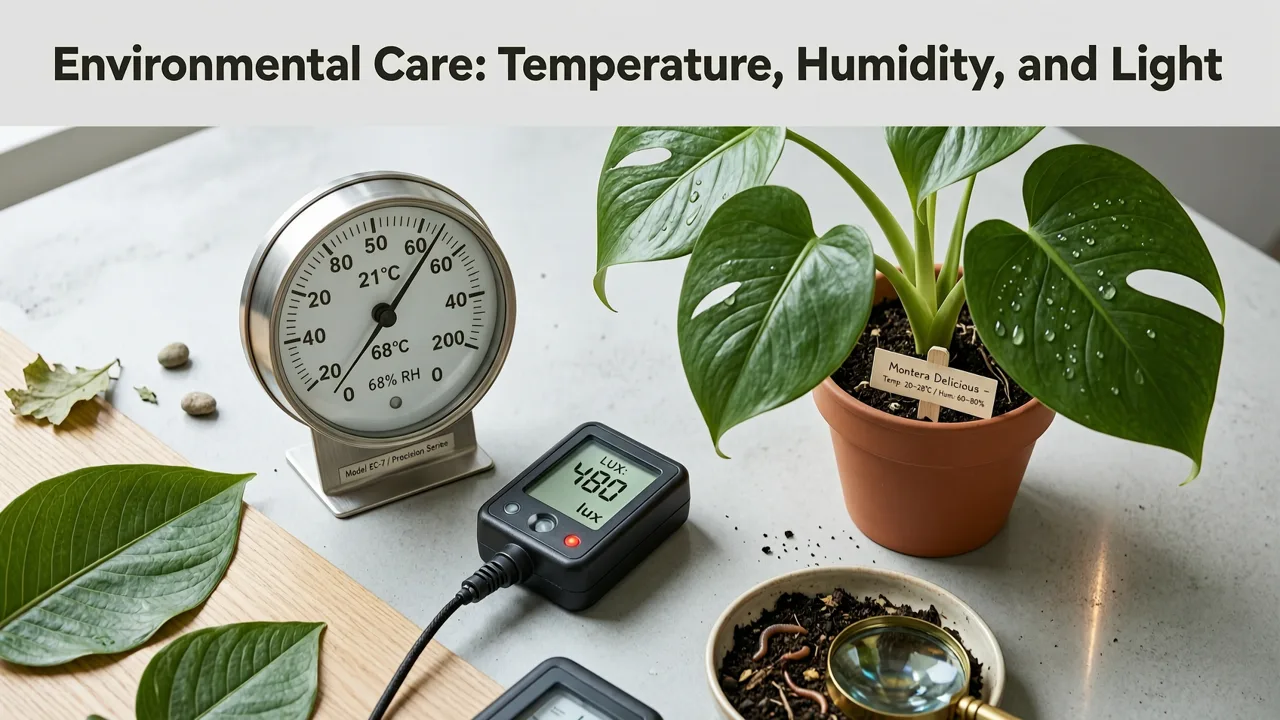
The environment is the single biggest factor in how well a vintage collectible ages. Fluctuations in temperature and humidity cause materials to expand and contract, leading to warping, cracking, and flaking. Light, especially ultraviolet radiation, fades pigments and weakens fibers.
Temperature and Humidity Targets
For most vintage collectibles, the ideal storage environment is:
- Temperature: 65–70°F (18–21°C)
- Relative humidity: 45–55%
- Fluctuation: no more than 5% change in humidity within 24 hours
Consistency matters more than hitting an exact number. A stable 72°F room with steady humidity is far better than a space that swings between hot and cold daily.
Light Exposure Guidelines
Direct sunlight is the enemy of almost every collectible category. Even indirect daylight can cause cumulative damage over years. Here is a quick reference for light sensitivity:
| Material | Light Sensitivity | Recommended Max Lux |
|---|---|---|
| Paper and photographs | Very high | 50 lux |
| Textiles and watercolors | High | 50–100 lux |
| Oils on canvas | Moderate | 150–200 lux |
| Ceramics and glass | Low | 300 lux |
| Metals and stone | Very low | 300+ lux |
Use UV-filtering glass or acrylic on framed pieces, and rotate light-sensitive items on display every few months to distribute exposure evenly.
Material-Specific Vintage Collectibles Care Tips
Each material has its own vulnerabilities and preferred care methods. Below are practical guidelines organized by the most common collectible categories.
Ceramics, Pottery, and Porcelain
Ceramics are remarkably durable when kept in stable conditions, but they are brittle and sensitive to thermal shock. Avoid placing ceramics near heat sources or in direct sunlight. Dust with a soft, dry brush rather than a cloth, which can snag on raised glaze details.
If you need to wash a piece, use lukewarm water and a mild, phosphate-free detergent. Never submerge unglazed pottery, as it can absorb water and weaken. For more on identifying and valuing ceramic pieces, the guide on how to identify antique pottery marks is an excellent companion resource.
Glass and Crystal
Glass is vulnerable to a condition called "crizzling" — a network of fine cracks caused by unstable chemical composition in older glass. Maintain steady humidity to slow this process. Clean glass with distilled water and a microfiber cloth. Avoid ammonia-based cleaners on antique glass, as they can damage iridescent or painted surfaces.
Silver and Other Metals
Tarnish is a natural process, but aggressive polishing removes patina and can diminish value. For display silver, a light coat of microcrystalline wax creates a protective barrier. Store silver in anti-tarnish cloth bags or with tarnish-absorbing strips. Never wrap silver directly in plastic, which traps moisture and accelerates corrosion.
For iron and bronze, keep humidity below 45% and inspect regularly for active corrosion, which appears as powdery green or orange spots. Catching it early is critical.
Wood Furniture and Wooden Objects
Wood responds dramatically to humidity changes. Low humidity causes cracking and joint separation; high humidity causes swelling and finish clouding. Keep wooden pieces away from heating vents, fireplaces, and exterior walls. Use paste wax sparingly — once or twice a year is sufficient for most antique furniture. Avoid silicone-based polishes, which build up and complicate future restoration.
Textiles, Quilts, and Clothing
Textiles are among the most vulnerable collectibles. They attract pests, absorb odors, and degrade with light exposure. Store textiles flat in acid-free boxes with acid-free tissue paper to prevent creasing. Never hang heavy vintage garments on wire hangers; use padded, archival-quality hangers instead.
Inspect stored textiles every six months for signs of moths or carpet beetles. Cedar blocks and lavender sachets offer mild deterrent properties, but they are not a substitute for proper sealing and monitoring.
Paper, Books, and Photographs
Paper collectibles — including postcards, maps, stock certificates, and photographs — require careful handling and storage. Always use clean, dry hands or cotton gloves. Store flat in acid-free folders or sleeves, and avoid rubber bands, paper clips, and pressure-sensitive tape, all of which cause staining or tearing over time.
For photographs, use sleeves made of polyester, polypropylene, or polyethylene. PVC-based albums and sleeves release acids that destroy images over decades.
Handling Best Practices
Many collectibles are damaged not on the shelf but in the hand. A few simple habits make a significant difference.
When to Use Gloves
- Cotton gloves: ideal for metals, photographs, and paper. They protect surfaces from oils and prevent slipping.
- Nitrile gloves: better for handling items with flaking surfaces or when chemicals are involved.
- Bare hands: acceptable for ceramics and glass if hands are clean and dry, as gloves reduce grip and increase drop risk.
Lifting and Moving
Never lift a piece of furniture by its decorative elements — drawers, legs, or carved ornaments are not structural. Lift ceramics by the body, never by handles, lids, or spouts, which are the weakest points. When moving multiple items, carry one at a time and clear your path in advance.
Cleaning: What to Do and What to Avoid
The most common mistake collectors make is overcleaning. Patina, toning, and even mild tarnish can add character and value. When in doubt, clean less, not more.
Safe Cleaning Principles
- Test first. Always test any cleaning method on a small, inconspicuous area.
- Use the gentlest method. Start with dry dusting. Move to distilled water only if needed. Reserve mild detergents for last.
- Avoid soaking. Prolonged water exposure damages adhesives, finishes, and porous materials.
- Never mix products. Household cleaners can react unpredictably with antique surfaces.
Common Cleaning Mistakes
- Using vinegar or lemon juice on marble or limestone, which etches the surface.
- Polishing silver to a mirror shine, removing historically valuable patina.
- Washing antique quilts in a machine, which can shred fragile fibers.
- Applying furniture polish to veneered surfaces, which can cause clouding.
Storage Solutions That Protect Value
Proper storage is an investment. Archival-quality materials cost more upfront but prevent damage that would be far more expensive to repair.
Essential Storage Supplies
- Acid-free boxes and tissue: for paper, textiles, and small objects.
- Polyester sleeves: for photographs, documents, and flat paper.
- Silica gel packets: to buffer humidity in enclosed storage.
- Anti-tarnish strips: for silver and copper alloys.
- Ethafoam or acid-free foam: for padding and shaping supports.
Storage Environment Checklist
| Factor | Ideal Range | Risk if Outside Range |
|---|---|---|
| Temperature | 65–70°F (18–21°C) | Warping, cracking, adhesive failure |
| Humidity | 45–55% RH | Mold, corrosion, brittleness |
| Light | Low, UV-filtered | Fading, fiber degradation |
| Air quality | Filtered, low pollutant | Tarnishing, surface deposits |
| Pest access | Sealed containers | Biting, staining, nesting damage |
Display Tips for Collectors
Displaying your collection should enhance enjoyment without accelerating deterioration. A few guidelines keep both goals in balance.
Safe Display Practices
- Keep display cases away from exterior walls, windows, and heating or cooling vents.
- Use museum wax or earthquake gel to secure small objects and prevent accidental falls.
- Install LED lighting with a color temperature of 2700–3000K and low UV output.
- Rotate light-sensitive items every three to six months.
- Dust displayed items gently every two to four weeks with a soft brush.
What Not to Display
Some items are best kept in storage for their own protection. These include:
- Unframed works on paper
- Iron objects in humid environments
- Textiles in rooms with direct sunlight
- Items with active pest infestations (quarantine first)
Identifying What You Have Before You Care for It
Before you clean, restore, or store a piece, it helps to know exactly what it is. A misidentified material can lead to the wrong care method. For example, treating a painted tin piece as plain iron could strip its decoration entirely.
Modern tools have made identification faster than ever. The antique identifier app free guide on this site walks through how AI-powered recognition can help you determine an item's material, origin, and approximate era in seconds. Pairing that knowledge with the right care tips ensures you are protecting the piece in a way that suits its specific needs.
If you are curious about which of your collectibles are trending in the current market, the breakdown of antiques worth money in 2026 highlights categories where condition and preservation have the greatest impact on value.
Seasonal Care Adjustments
Collectibles care is not a set-it-and-forget-it task. Seasons bring environmental changes that require small adjustments.
Summer
Higher humidity is the main concern. Run a dehumidifier in storage rooms, and check silica gel packets monthly. Keep windows closed during high-humidity days to prevent moisture influx.
Winter
Indoor heating dries the air dramatically. Use a humidifier to maintain humidity above 40%. Keep collectibles away from radiators and forced-air vents, which create localized dry spots.
Spring and Fall
These transitional seasons are ideal for thorough inspections. Check for pest activity, re-evaluate storage conditions, and rotate displayed items. Spring is also a good time to reassess your collection and decide whether any pieces need professional conservation.
When to Call a Professional Conservator
Some care tasks are beyond the scope of home maintenance. Call a professional conservator if you notice:
- Active mold growth on paper, textiles, or wood
- Powdery corrosion on metals that spreads despite cleaning
- Flaking paint, gilding, or glaze on any surface
- Structural damage such as broken joints, tears in canvas, or shattered glass
- Water damage or fire soot on any collectible
A qualified conservator can stabilize damage using reversible, documented methods that preserve both the object and its market value. Attempting amateur repairs on high-value items often reduces their worth.
Building a Long-Term Care Routine
The best vintage collectibles care tips are the ones you actually follow. Build a simple routine and stick to it:
- Weekly: Dust displayed items. Check room temperature and humidity readings.
- Monthly: Inspect storage areas for pests or moisture. Replace silica gel packets as needed.
- Quarterly: Rotate light-sensitive displayed items. Review storage conditions.
- Annually: Conduct a full collection survey. Document any changes in condition with photographs. Update your inventory records.
Consistent, gentle care over years is far more effective than occasional intense efforts. Think of it as preventive maintenance rather than repair.
Final Thoughts on Preserving Your Collection
Caring for vintage collectibles is a blend of science, patience, and respect for the objects themselves. By controlling the environment, handling pieces thoughtfully, and cleaning conservatively, you ensure that your collection remains vibrant and valuable for generations. The effort you put in today protects not just the financial value but the stories and craftsmanship embedded in every piece.
Ready to identify the pieces in your collection and tailor your care approach to each one? Try the Antique Identifier app to get instant recognition, material insights, and value estimates — then use the care tips above to keep every item in top condition for years to come.
Related resources
Frequently Asked Questions
What is the best humidity level for storing vintage collectibles?
The ideal relative humidity for most vintage collectibles is 45–55%. Consistency is more important than hitting an exact number. Fluctuations greater than 5% within 24 hours can cause warping, cracking, and finish damage. Use a hygrometer to monitor conditions and a humidifier or dehumidifier to maintain stability.
Should I polish antique silver to restore its shine?
Polishing removes tarnish but also removes patina, which can add historical character and value. For display silver, a light coat of microcrystalline wax offers protection without aggressive polishing. Reserve thorough polishing for pieces where the original finish is the goal, and document any treatment.
How often should I inspect stored collectibles for damage?
Inspect stored collectibles at least every three to six months. Check for signs of pests, mold, moisture, or active corrosion. Textiles and paper should be examined every three months, while metals and ceramics can be checked semi-annually. Rotate displayed light-sensitive items on the same schedule.
Can I use regular plastic bins to store antiques?
Standard plastic bins can trap moisture and off-gas chemicals that damage collectibles over time. Use archival-quality, acid-free storage boxes for paper, textiles, and sensitive items. If you use plastic bins for sturdier items like ceramics, ensure they are clean, dry, and lined with acid-free tissue.
What is the safest way to clean vintage pottery?
Dust vintage pottery with a soft, dry brush. If washing is necessary, use lukewarm water and a mild, phosphate-free detergent, then pat dry immediately. Never submerge unglazed pottery, and avoid dishwashers, harsh scrubbers, or acidic cleaners, which can damage glazes and weaken the body.
Related Articles


Explore more practical antique identification and appraisal guides.
View all articles