7 Signs of Real Antique Furniture
Tell real antique furniture from a reproduction by checking seven things: hand-made irregularities, wear, dovetails, wood grain, marks, hardware and smell.
How can I tell if furniture is antique?
Look at how it was made. Hand-cut dovetails are slightly uneven, saw marks on hidden surfaces run straight rather than in arcs, old screws and nails are irregular, and wear appears where hands and feet really touched the piece. No single sign proves age, but several that agree make a strong case.
On this page

Understanding the Signs of Real Antique Furniture
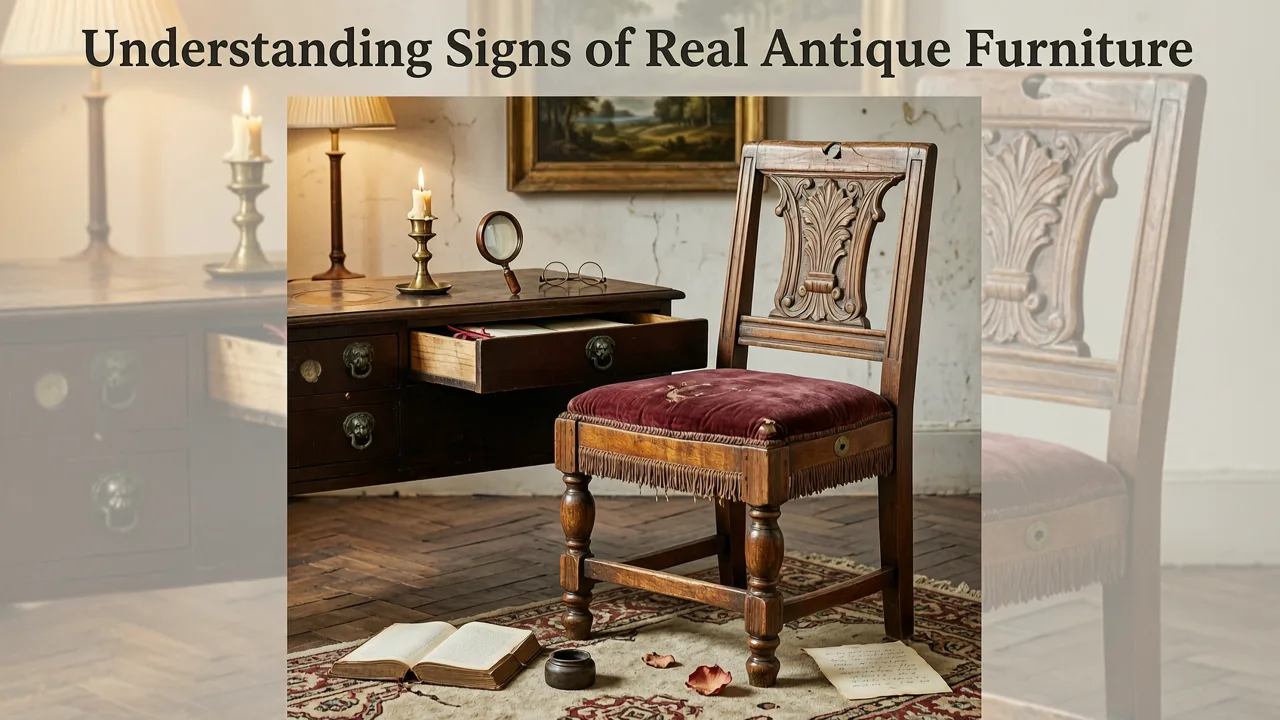
Identifying genuine historical pieces requires a keen eye for detail and a solid understanding of historical manufacturing techniques. The most reliable signs of real antique furniture include hand-cut dovetail joinery, uneven wear patterns, authentic patina, and period-specific hardware. Whether you are browsing an estate sale, exploring a local thrift shop, or evaluating an inherited collection, knowing how to distinguish a genuine historical piece from a modern reproduction is essential for making informed decisions.
The antique market is filled with high-quality reproductions and intentionally distressed replicas. To navigate this landscape successfully, collectors and resellers must look beyond surface aesthetics and examine the structural integrity, materials, and construction methods of a piece. This comprehensive guide outlines the definitive characteristics that indicate true age and craftsmanship.
7 Definitive Signs of Real Antique Furniture
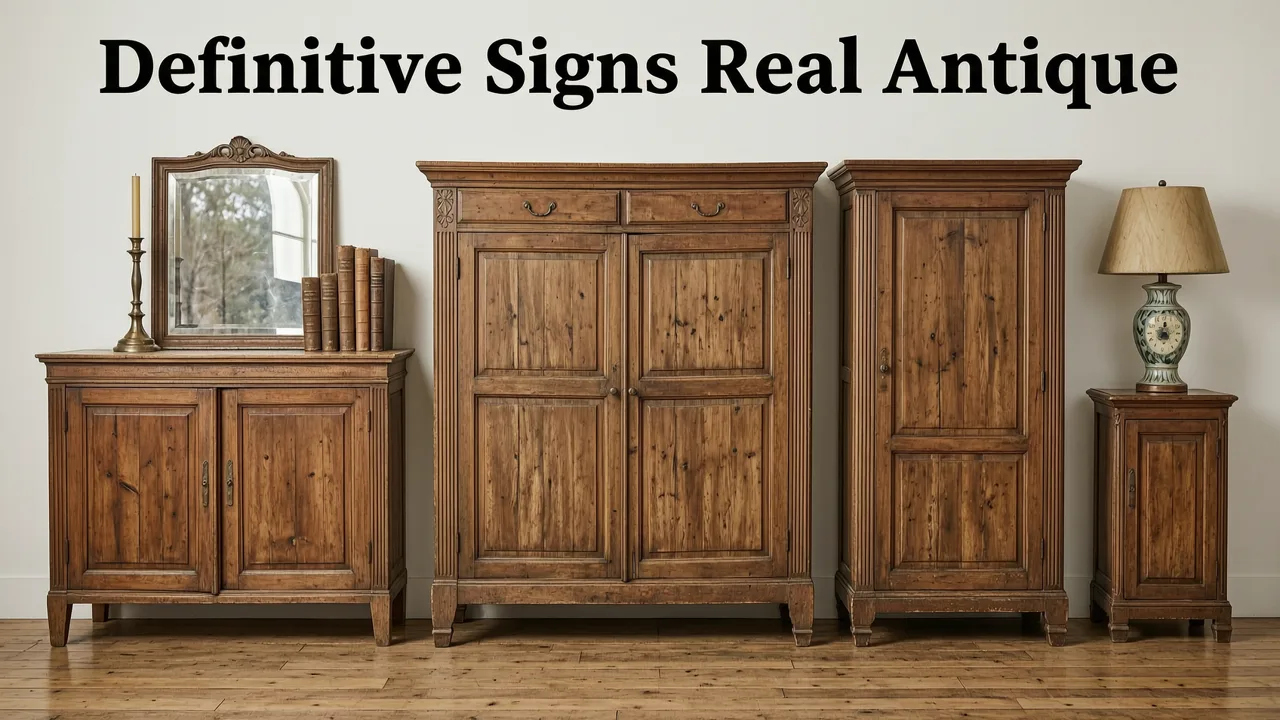
1. Asymmetry and Hand-Crafted Imperfections
Before the widespread adoption of the Industrial Revolution and modern CNC machinery, furniture was entirely hand-crafted. As a result, genuine antique pieces often exhibit slight asymmetries and minor imperfections. When examining a table, chair, or cabinet, look for subtle variations in the thickness of legs, slight mismatches in carved details, or minor ridges left by hand planes. Perfect, machine-like symmetry is a strong indicator of modern manufacturing.
2. Authentic Patina and Wear Patterns
Patina is the natural aging process of wood and its finish, resulting from decades of exposure to light, air, and handling. Genuine patina has a deep, rich luster that is incredibly difficult to replicate artificially. More importantly, wear patterns on real antiques are logical. You will find natural wear on drawer pulls, armrests, and the edges of table leaves. Beware of pieces with random, uniform distressing, such as artificial dents or uniform sanding marks, which are common tactics used to fake age.
3. Dovetail Joinery and Construction Methods
The joints used to construct drawers are among the most telling indicators of age. Hand-cut dovetails, common before the late 19th century, are slightly uneven, with pins that are wider at the base and vary in spacing. Machine-cut dovetails, introduced later, are perfectly uniform, small, and precise. Additionally, examine the drawer bottoms. Antique drawers often feature uneven, hand-sawn boards set into grooves, whereas modern reproductions typically use perfectly milled plywood or fiberboard attached with staples.
4. Wood Grain and Material Consistency
Historical furniture makers were highly economical with their materials. They typically used expensive, beautiful woods like mahogany, walnut, or cherry for the primary visible surfaces, while utilizing cheaper secondary woods like pine, poplar, or cedar for hidden areas such as drawer sides, backs, and bottom boards. If a piece claims to be an 18th-century mahogany chest but the drawer interiors are made of the exact same mahogany, it is likely a later reproduction or a heavily altered piece.
5. Maker’s Marks, Labels, and Stamps
Many historical cabinetmakers and furniture companies stamped, branded, or applied paper labels to their work. These marks are typically found on the back, underside, or inside drawers. However, identifying and dating these marks requires specialized knowledge. If you find a potential mark, consult detailed resources on how to read antique furniture marks to verify the maker, location, and operational dates of the manufacturer.
6. Hardware and Fastener Evidence
The screws, nails, and hinges used in construction provide crucial chronological clues. Hand-forged nails, used prior to the early 1800s, feature irregular, hand-hammered heads and tapered shanks. Early machine-cut screws have blunt ends, imperfect threads, and off-center slots. Modern screws are perfectly threaded, sharply pointed, and feature perfectly centered slots. If a piece purportedly from the 1700s features modern Phillips-head screws or perfectly milled wire nails, the hardware has been replaced or the piece is a reproduction.
7. Smell and Surface Texture
Do not underestimate the power of smell when evaluating antique furniture. Genuine old wood and historical finishes emit a distinct, mild odor often described as musty, woody, or reminiscent of old beeswax. Conversely, modern reproductions or heavily refinished pieces often smell of chemical varnishes, polyurethane, or fresh paint. The surface texture should also feel smooth and slightly waxy from decades of polishing, rather than plasticky or overly glossy.
Comparing Reproductions and Genuine Antiques
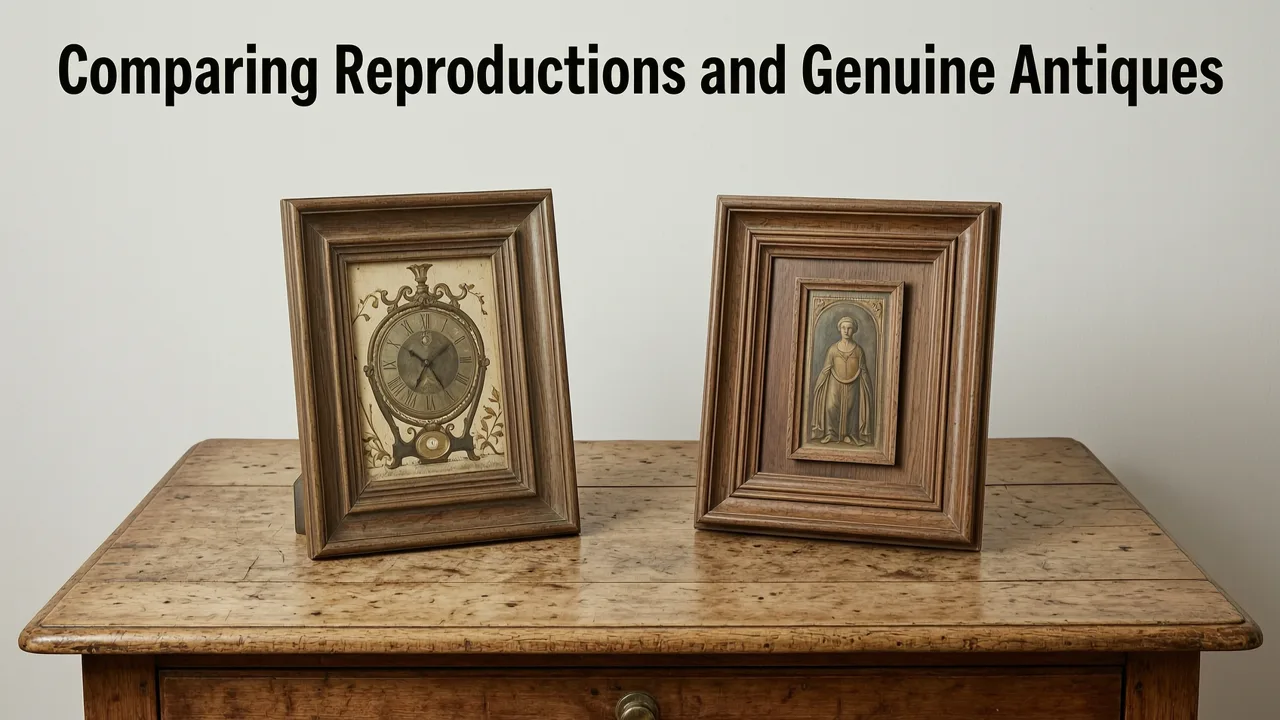
To simplify the authentication process, here is a direct comparison of the physical traits found in genuine historical pieces versus modern factory-made reproductions.
| Feature | Genuine Antique | Modern Reproduction |
|---|---|---|
| Drawer Joinery | Hand-cut, uneven, wider dovetails | Machine-cut, uniform, precise dovetails |
| Wear Patterns | Logical wear on high-contact areas | Random, artificial, or uniform distressing |
| Secondary Woods | Cheaper woods (pine, poplar) in hidden areas | Uniform wood or modern composites (MDF) |
| Fasteners | Hand-forged nails, blunt early machine screws | Modern wire nails, Phillips-head screws |
| Symmetry | Slight asymmetries, hand-plane marks | Perfect, machine-like symmetry |
Leveraging Technology for Antique Authentication
While traditional visual and tactile inspections remain the foundation of antique authentication, modern technology has introduced powerful new tools for collectors. Artificial intelligence and computer vision can now analyze high-resolution images of joinery, hardware, and stylistic elements to provide instant insights into a piece's origin and era. By utilizing an AI-powered tool, you can cross-reference visual data against vast historical databases in seconds.
For collectors and resellers who frequently attend estate sales or browse online marketplaces, having a digital assistant in your pocket is invaluable. You can easily complete an Antique Identifier App Download to access quick, on-the-go scans that help verify the age, style, and key characteristics of your latest finds before you commit to a purchase.
When to Seek a Professional Appraisal
Even the most experienced collectors encounter pieces that defy easy categorization. If you have identified a piece with genuine age indicators but cannot determine its exact origin, maker, or market value, it is time to consult a certified expert. Professional appraisers can conduct deep-dive historical research, verify provenance, and provide legally binding valuation documents for insurance or estate purposes.
Finding a qualified expert requires careful vetting to ensure you receive accurate and unbiased information. When you need authoritative guidance, consult our guide on finding an antique appraisal near me to connect with trusted, certified professionals in your area who specialize in historical furniture and decorative arts.
Conclusion and Next Steps
Authenticating historical furniture is a rewarding process that blends historical research with careful physical inspection. By focusing on the structural evidence of hand craftsmanship, logical wear patterns, and period-appropriate materials, you can confidently separate genuine historical treasures from modern reproductions. Protect your investments and enhance your collecting journey by combining your knowledge with modern digital tools. Download the Antique Identifier app today to instantly analyze your finds and unlock the hidden history of your furniture.
Related resources
Frequently Asked Questions
What is the most reliable sign of real antique furniture?
The most reliable signs include hand-cut dovetail joinery, authentic patina in logical wear areas, and the use of secondary woods in hidden construction areas.
How can I tell if furniture distressing is fake?
Fake distressing often looks uniform, random, or artificially applied with tools, whereas genuine wear occurs naturally on high-contact areas like drawer pulls and armrests.
Do all antique pieces have maker's marks?
No, many historical pieces were crafted by local artisans who did not stamp their work. The absence of a mark does not automatically mean a piece is not an antique.
Can AI tools help identify antique furniture?
Yes, modern AI-powered applications can analyze images of furniture, hardware, and joinery to provide instant insights into age, style, and potential origins.
More on antique furniture
Related Articles


Have a piece of your own to check? Photograph it with the Antique Identifier app. It's free to download for iPhone and iPad.