Vintage Glassware Identification Guide: Patterns, Marks & Eras in 2026
Use this vintage glassware identification guide to spot patterns, maker marks, and eras. Learn expert tips for authenticating Depression, Mid-Century, and Art Glass.

Vintage Glassware Identification Guide: The Short Answer

If you are wondering how to identify vintage glassware, start by examining the base for maker marks or mold seams, checking for characteristic pattern details, and noting the color, weight, and feel of the piece. A reliable vintage glassware identification guide will walk you through era-specific traits, common manufacturer signatures, and the subtle details that separate an original from a reproduction. By the end of this guide, you will know how to date glassware, recognize sought-after patterns, and decide when a professional appraisal makes sense.
Whether you found a pink sherbet dish at a flea market or inherited a cabinet of colorful tumblers, the steps below will help you move from curiosity to confident identification.
Why Vintage Glassware Remains Collectible in 2026
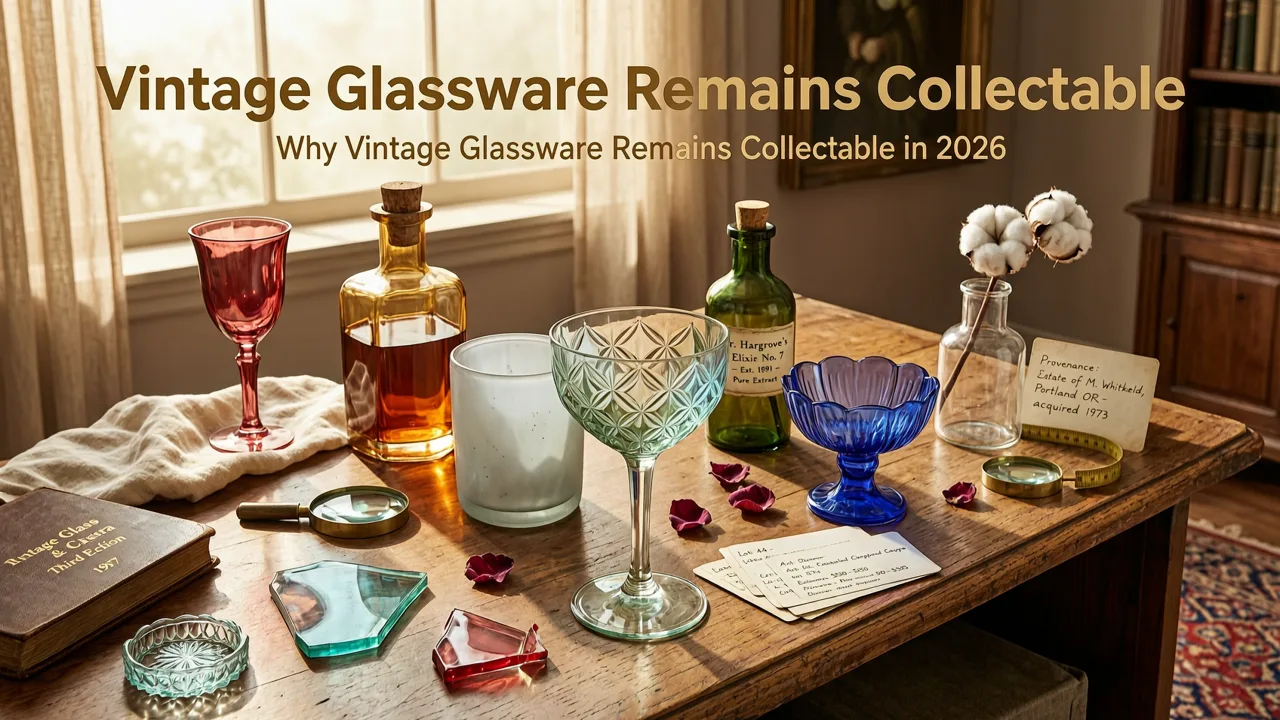
Vintage glassware continues to attract collectors, resellers, and interior designers because it combines affordability, history, and visual appeal. In 2026, interest remains strong in Depression-era patterns, bold Mid-Century Modern shapes, and hand-finished Art Glass from studios like Murano and Blenko. Online marketplaces and social media have broadened the buyer pool, while AI-powered identification tools have made it easier than ever to confirm a piece before listing it for sale.
Understanding the basics of glass composition, manufacturing methods, and design trends gives you an edge. If you are also curious about broader categories, our piece on antiques worth money in 2026 covers other trending collectibles alongside glass.
How to Begin: A Step-by-Step Inspection
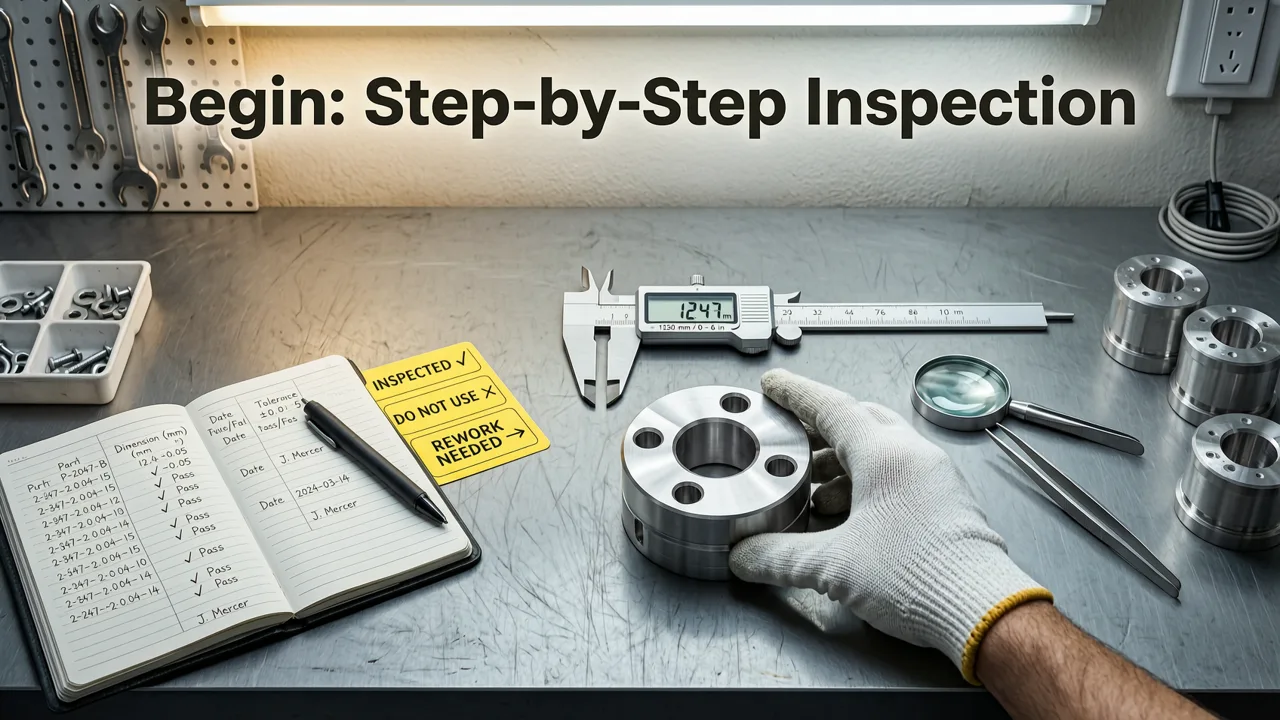
Every identification starts with a careful visual and tactile inspection. Follow these steps before searching for pattern names or maker marks.
1. Examine the Base and Pontil
Turn the piece upside down. Look for a rough or polished pontil mark, which indicates hand-blown production. Machine-made glass from the early 20th century onward typically has a smooth, concave base. A ground and polished pontil often points to higher-end American or European art glass.
2. Check for Seams and Mold Lines
Run your fingers along the sides. Visible mold seams suggest pressed glass, common in Depression-era patterns. Blown glass usually lacks seams entirely. Some decorative pieces combine both methods, with a blown body applied to a molded base.
3. Observe Color and Transparency
Hold the piece up to natural light. Note whether the color is uniform, opalescent, or shaded. Certain colors, like cobalt blue, amberina, and pink opalescent, were produced during specific periods and can narrow your search significantly.
4. Feel the Weight and Listen
Early pressed glass tends to feel heavier than later machine-made reproductions. Gently tap the rim. A clear, bell-like ring often indicates lead glass or high-quality crystal, while a dull thud may point to a later, thinner production.
Key Eras of Vintage Glassware
Dating glassware begins with recognizing the design language of each era. Below is a quick-reference overview of the most collectible periods.
| Era | Approximate Years | Defining Traits | Notable Makers |
|---|---|---|---|
| Pressed Glass (Early) | 1820s–1890s | Heavy, intricate patterns, often clear or limited colors | Boston & Sandwich, New England Glass Co. |
| Brilliant Period Cut Glass | 1890s–1910s | Deep cuts, high refractive brilliance, heavy lead content | T.G. Hawkes, Libbey, Dorflinger |
| Depression Glass | 1920s–1940s | Mass-produced, affordable colors like pink, green, amber | Hocking, Federal, Anchor Hocking |
| Elegant Glass | 1920s–1940s | Etched or engraved, higher quality than Depression lines | Fostoria, Cambridge, Imperial |
| Mid-Century Modern | 1940s–1960s | Bold colors, organic shapes, hand-finished textures | Fenton, Blenko, Viking, Pilgrim |
| Art Glass & Studio Glass | 1960s–Present | One-of-a-kind pieces, signed by artists | Murano studios, Blenko, independent artists |
Depression Glass: Patterns, Colors, and Common Misconceptions
Depression glass remains one of the most approachable collecting categories. Produced during the Great Depression as inexpensive premiums and giveaways, these pieces come in a rainbow of pastel shades. Popular patterns include Floral by Hocking, Princess by Hocking, Mayfair by Federal, and Royal Lace by Hazel-Atlas.
How to Spot Authentic Depression Glass
- Look for mold seams running vertically on pressed pieces.
- Check for small bubbles or imperfections within the glass, which were common in rapid production runs.
- Compare the pattern to known reference guides. Many patterns were reproduced in the 1970s and again in the 2000s; reproductions often feel lighter and have sharper, more uniform edges.
Colors That Command Premiums
While pink and green are the most recognizable, cobalt blue, red (especially in the Ball or Sharon patterns), and opalescent variations tend to fetch higher prices. Condition matters: chips, cracks, and heavy scratching reduce value significantly.
Elegant Glass vs. Depression Glass
Collectors often confuse Elegant Glass with Depression Glass because both were produced during the same era. The difference lies in quality and decoration. Elegant Glass features etched, engraved, or hand-painted designs and was sold through department stores rather than given away as premiums. Fostoria's American line and Cambridge's Heather pattern are iconic examples.
If you are evaluating whether a piece is worth professional attention, our resource on how to tell if an antique is valuable outlines expert checks that apply directly to glassware.
Mid-Century Modern and Art Glass
After World War II, American glass manufacturers shifted toward bold colors and sculptural forms. Fenton introduced its signature hobnail pattern in 1940, while Blenko became known for free-blown, vibrant pieces with an organic feel. European imports from Murano added flair with techniques like sumpilleghin, murrine, and incalmo.
Identifying Fenton Glass
Fenton pieces often carry an oval logo stamped into the base. Earlier pieces from the 1970s onward may include a number indicating the decade of production. Pre-1970 items may lack a logo entirely, so pattern recognition becomes essential.
Recognizing Murano Techniques
- Sommerso: Layers of color encased in clear glass.
- Murrine: Cross-sectional patterns resembling tiny flowers or canes.
- Bullicante: A bubble-pattern effect created by embedding air bubbles in the glass.
Many Murano pieces carry a paper label rather than a permanent mark. If the label is missing, identifying the specific technique and comparing it to documented designs is your best path forward.
Reading Maker Marks and Signatures
Maker marks are the fastest route to identification, but they are not always present. Here are the most common types you will encounter:
- Acid-etched signatures: Often found on Art Glass and studio pieces.
- Stamped logos: Common on Fenton, Imperial, and some Murano items.
- Paper labels: Frequently used on imported European glass; these often wash off over time.
- Mold-embossed marks: Typical on early American pressed glass and some Depression-era items.
When a mark is absent, cross-reference the pattern, color, and construction details with trusted databases and collector forums. Community knowledge is invaluable, especially for obscure regional makers.
Reproductions and Fakes: What to Watch For
The vintage glassware market has seen waves of reproductions, particularly in popular Depression and Elegant Glass patterns. Here are practical warning signs:
- Weight: Reproductions are often lighter than originals.
- Color accuracy: Some repro colors appear slightly off or overly bright under LED light.
- Sharpness of detail: Newer molds can produce crisper edges, while original pieces show softer wear consistent with age.
- Pontil marks: A rough, open pontil on a piece claimed to be hand-blown art glass may indicate a modern import rather than a vintage studio piece.
When in doubt, photograph the piece from multiple angles and consult an online antique appraisal service that uses AI-assisted matching to compare your item against verified references.
Caring for Vintage Glassware
Proper care preserves both the beauty and the value of your collection.
- Hand-wash in lukewarm water with a mild detergent. Avoid extreme temperature changes, which can cause thermal shock.
- Do not use abrasive scrubbers on decorated or etched surfaces.
- Store pieces with felt separators to prevent scratching.
- Keep glassware out of prolonged direct sunlight to prevent color fading, especially in uranium or opalescent glass.
When to Seek a Professional Appraisal
Not every piece requires a formal appraisal, but certain situations call for expert input. If you are preparing an estate inventory, insuring a collection, or considering a high-value sale, a documented appraisal provides credibility and peace of mind. Our antique appraisal cost guide explains what to expect in terms of fees and turnaround times in 2026.
Tip: Before scheduling an appraisal, gather clear photos of the base, any marks, the rim, and the overall silhouette. This preparation speeds up the process and improves accuracy.
Using AI Tools to Speed Up Identification
In 2026, AI-powered identification tools can analyze a photo and return likely pattern matches, era estimates, and maker suggestions within seconds. These tools work best when you provide well-lit, focused images from multiple angles. They are not a replacement for expert judgment on rare or disputed pieces, but they dramatically reduce the time spent scrolling through pattern databases.
For collectors who frequently encounter new pieces at estate sales and thrift stores, combining a quick visual inspection with an AI-assisted check creates a reliable workflow that balances speed and accuracy.
Building a Vintage Glassware Collection on Any Budget
You do not need a large budget to start collecting. Here are practical strategies:
- Focus on a single pattern or color. A themed collection is more cohesive and often more rewarding than a random assortment.
- Shop estate sales and local auctions. Prices are often lower than online listings, and you can inspect pieces in person.
- Join collector clubs and online groups. Knowledge-sharing within these communities helps you avoid costly mistakes.
- Buy condition over rarity at first. Learning to assess chips, cracks, and wear builds your eye before you invest in premium pieces.
Conclusion: Start Identifying with Confidence
Identifying vintage glassware is part science, part history, and part detective work. By understanding era-specific traits, recognizing maker marks, and knowing how to spot reproductions, you can approach every new find with confidence. Whether you are building a curated collection or simply want to know the story behind a piece on your shelf, the knowledge in this guide will serve you well.
Ready to put these tips to the test? Download the Antique Identifier app today and snap a photo of your glassware for instant pattern matching, era detection, and value insights — all powered by AI.
Related resources
Frequently Asked Questions
How can I tell if my glassware is truly vintage?
Start by examining the base for a pontil mark or mold seams, check for small bubbles or imperfections in the glass, and compare the weight and color to known examples from the era. Vintage pressed glass typically has visible mold lines, while hand-blown pieces may show a rough or polished pontil. Cross-referencing patterns with trusted guides or AI identification tools can confirm your findings.
What is the difference between Depression Glass and Elegant Glass?
Depression Glass was mass-produced, affordable, and often given away as premiums during the 1920s–1940s. Elegant Glass, produced during the same period, features etched, engraved, or hand-painted designs and was sold through department stores at a higher price point. Elegant Glass is generally heavier and more finely finished than Depression Glass.
Are there common fake or reproduced vintage glassware patterns?
Yes. Popular Depression and Elegant Glass patterns have been reproduced since the 1970s. Reproductions are often lighter, have sharper mold details, and may show slightly off-color tones under modern lighting. Checking weight, color accuracy, and edge softness helps distinguish originals from reproductions.
How do I identify Murano glass?
Murano glass is known for techniques like sommerso (layered color), murrine (cross-sectional cane patterns), and bullicante (embedded air bubbles). Many pieces originally had paper labels that may have worn off. Identifying the technique and comparing it to documented Murano designs is the most reliable approach when a label is missing.
Should I get my vintage glassware professionally appraised?
A professional appraisal is recommended if you are insuring a collection, settling an estate, or planning to sell high-value pieces. For everyday collecting and casual identification, AI-powered tools and pattern reference guides are often sufficient to determine era, maker, and approximate value range.
Related Articles


Explore more practical antique identification and appraisal guides.
View all articles